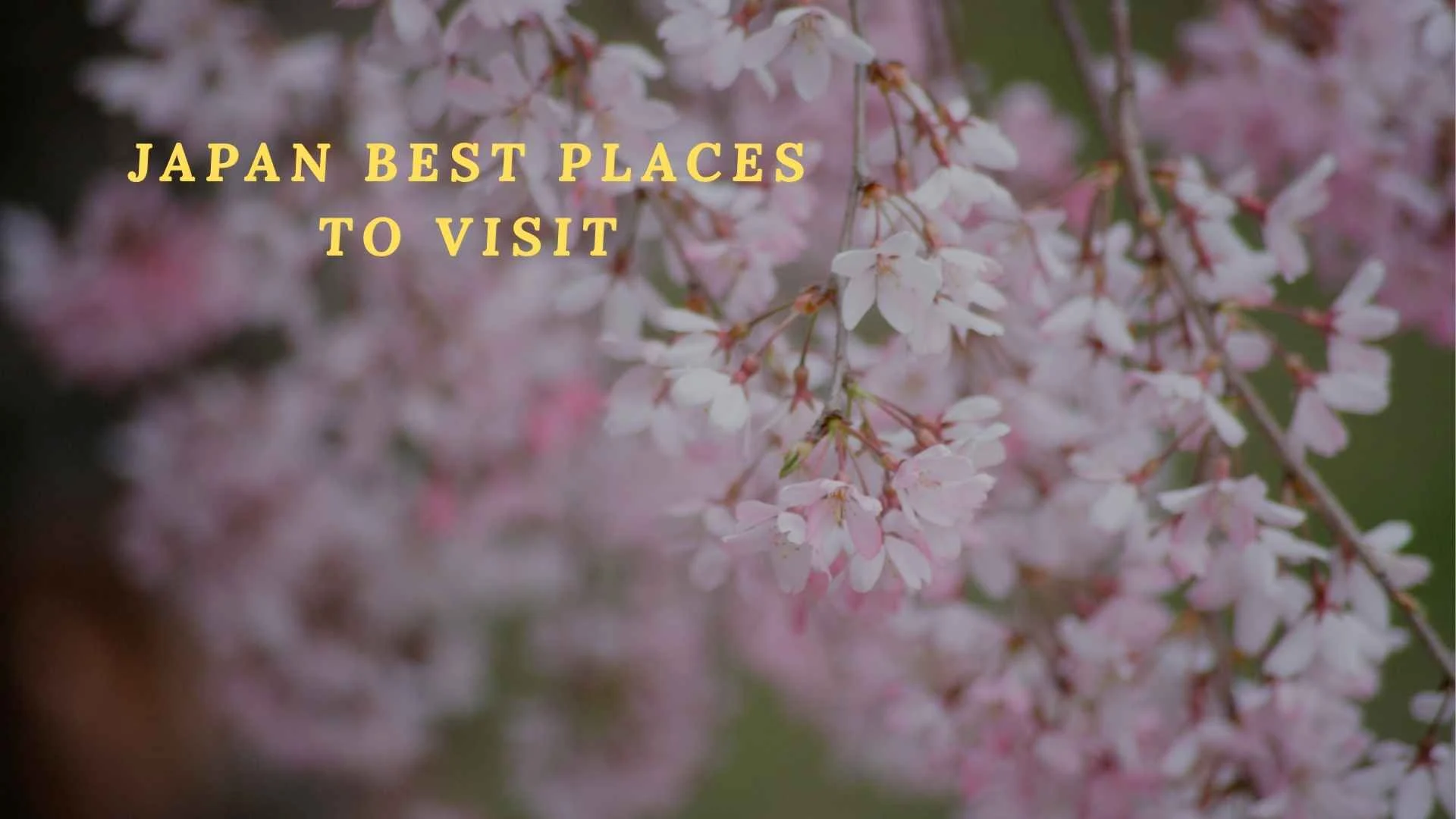
Japan is a land of profound contrasts, where neon-lit futuristic cities harmonize with ancient traditions and mist-covered mountain shrines.
If you are chasing the ephemeral beauty of cherry blossoms, seeking the silence of a Zen rock garden, or diving into the frenetic energy of world-class culinary scenes, Japan offers a transformative experience.
This guide is designed for travelers who crave authentic connections, cultural immersion, and curated adventures across the archipelago’s most remarkable regions.
Quick Answer: Japan’s Premier Destinations
The best places to visit in Japan include Tokyo for urban dynamism, Kyoto for cultural heritage, and Hokkaido for pristine wilderness. Osaka offers the country’s best street food, while Hakone provides iconic views of Mount Fuji. For history, Hiroshima and Nara are essential. These destinations are chosen for their high-quality infrastructure, unique local character, and ability to cater to both luxury seekers and adventurous budget travelers.
Quick Comparison Table
| Place | Best For | Top Attraction | Best Time | Budget |
| Tokyo | Urbanites | Shibuya Crossing | Spring/Fall | High |
| Kyoto | History Buffs | Fushimi Inari | Spring/Fall | High |
| Osaka | Foodies | Dotonbori | All Year | Medium |
| Hokkaido | Nature Lovers | Daisetsuzan | Winter/Summer | Medium |
| Hakone | Relaxation | Onsen/Mt. Fuji | All Year | Medium |
| Hiroshima | Reflection | Peace Memorial | Spring/Fall | Medium |
| Okinawa | Beach Lovers | Ishigaki Beach | Summer | Medium |
Best Places to Visit in Japan
Tokyo: The Heart of Modern Japan
Tokyo is an intoxicating blend of the hyper-modern and the deeply traditional. From the world’s busiest intersection in Shibuya to the serene grounds of Meiji Jingu, the city moves at a pace that defines contemporary Japanese culture.
- Why It Made the List: It is the gateway to Japan and the epicenter of global fashion, gastronomy, and technology.
- Top Attractions: Shibuya Crossing, Senso-ji Temple, Shinjuku Gyoen National Garden.
- Local Food to Try: Edomae-style Sushi, Monjayaki.
- Travel Tip: Purchase a Suica or Pasmo card immediately upon arrival to navigate the city’s complex train network seamlessly.
Kyoto: The Cultural Soul
If Tokyo is the brain, Kyoto is the heart. With over 1,600 temples and 17 UNESCO World Heritage sites, it offers the most authentic glimpse into Japan’s imperial past.
- Why It Made the List: It is the best place to experience tea ceremonies, geisha culture, and iconic vermillion torii gates.
- Top Attractions: Fushimi Inari Shrine, Kinkaku-ji (Golden Pavilion), Arashiyama Bamboo Grove.
- Local Food to Try: Kaiseki (traditional multi-course meal), Yudofu (tofu hot pot).
- Travel Tip: Visit popular temples at sunrise to avoid the massive crowds and experience the zen atmosphere as intended.
Osaka: The Kitchen of Japan
Known for its outgoing locals and vibrant atmosphere, Osaka is the best city to eat until you drop. Its nightlife is legendary, and its proximity to Kyoto and Nara makes it an ideal base.
- Why It Made the List: The “Kuidaore” (eat until you drop) philosophy makes it a paradise for street food enthusiasts.
- Top Attractions: Dotonbori, Osaka Castle, Shinsekai.
- Local Food to Try: Takoyaki, Okonomiyaki, Kushikatsu.
- Travel Tip: Spend your evenings in the Namba district to experience the authentic energy of the city’s neon-drenched streets.
Hakone: The Gateway to Mt. Fuji
Located within a short train ride from Tokyo, Hakone is a mountainous town famous for its hot springs (onsen) and stunning views of Mount Fuji.
- Why It Made the List: It offers the perfect weekend escape for those looking to experience traditional ryokan hospitality.
- Top Attractions: Lake Ashi cruise, Hakone Open-Air Museum, Owakudani volcanic valley.
- Local Food to Try: Black eggs (Kuro-tamago) boiled in volcanic waters.
- Travel Tip: Use the Hakone Free Pass for unlimited travel on the unique transportation network, including cable cars and pirate ships.
Hokkaido: The Wilderness Frontier
Japan’s northernmost island is a playground for nature lovers. It is famous for its powder snow in winter and vast fields of lavender in summer.
- Why It Made the List: It provides a starkly different, wide-open landscape compared to the densely packed cities of Honshu.
- Top Attractions: Niseko (skiing), Furano (flower fields), Sapporo Odori Park.
- Local Food to Try: Genghis Khan (mutton barbecue), Miso Ramen.
- Travel Tip: Renting a car is the best way to explore the rural beauty of Hokkaido, as public transport is less frequent than in the south.
Hidden Gems for the Off the Beaten Path Traveler
Yakushima: The Ancient Forest
This island is home to some of the oldest living trees in the world. Its moss-covered cedar forests served as the inspiration for Studio Ghibli’s Princess Mononoke. It is a hiker’s paradise perfect for those looking to reconnect with nature.
Kanazawa: The Little Kyoto
Featuring one of Japan’s most beautiful landscape gardens, Kenrokuen, and a well-preserved samurai district, Kanazawa offers the refined culture of Kyoto without the overwhelming tourist throngs.
How to Choose the Right Destination

Selecting the right destination depends on your travel style. Use this framework to decide:
- For First-Timers: Stick to the “Golden Route”—Tokyo, Kyoto, and Osaka. These offer the best transportation and English-language support.
- For Nature Enthusiasts: Prioritize Hokkaido or the Japanese Alps (Takayama/Shirakawa-go).
- For History Seekers: Kyoto, Nara, and Hiroshima are non-negotiable.
- For Relaxation: Hakone, Izu Peninsula, or the onsen towns of Kyushu.
Travel Costs and Budgeting
| Expense Category | Budget-Friendly | Mid-Range | Luxury |
| Accommodation | Hostels/Capsule | Business Hotels | Ryokan/5-Star |
| Food | Convenience Stores | Izakaya/Casual | Fine Dining |
| Transportation | Local Trains/Buses | JR Pass | Private Transfers |
| Daily Total | $60–$90 | $120–$200 | $350+ |
Best Time to Visit
- Spring (March–May): The iconic cherry blossom season. Extremely popular and crowded; book months in advance.
- Summer (June–August): Hot and humid. Festivals (matsuri) are abundant, and the hiking season in the mountains is at its peak.
- Autumn (September–November): Often considered the best time. The weather is crisp, and the vibrant red maple leaves are breathtaking.
- Winter (December–February): Ideal for skiing and soaking in hot springs. The air is clear, providing the best chances for seeing Mt. Fuji.
Safety and Practical Tips
Japan is one of the safest countries in the world, but it is wise to follow standard precautions.
- Etiquette: Respect quiet zones on trains and always remove your shoes when entering homes or traditional accommodations.
- Connectivity: Rent a Pocket Wi-Fi or purchase an eSIM before arriving; Google Maps is essential for navigating the complex train systems.
- Cash is King: While credit cards are increasingly accepted, smaller shops and shrines still rely on cash.
Packing Checklist
- Slip-on Shoes: You will be taking your shoes off constantly at temples and restaurants.
- Comfortable Walking Shoes: Expect to walk 15,000+ steps per day.
- Universal Adapter: Japan uses two-prong Type A/B plugs.
- Lightweight Daypack: For keeping your essentials while exploring cities.
Frequently Asked Questions
Do I need a Japan Rail Pass?
Not always. Since recent price hikes, the JR Pass is only cost-effective if you are doing extensive cross-country travel within a 7-to-14-day window. Use an online JR Pass calculator to input your specific itinerary before purchasing to see if individual tickets are cheaper.
Is Japan difficult to visit without knowing Japanese?
Not at all. In major cities and tourist hubs, signage is bilingual, and many staff in hotels and train stations speak English. Using a translation app like Google Translate for menus and conversations is more than sufficient for a smooth trip.
What is the tipping culture in Japan?
There is no tipping culture in Japan. In fact, offering a tip can sometimes be seen as confusing or rude. Excellent service is considered the standard, and your polite “Arigato” (thank you) is the only appreciation expected by staff.
How much cash should I carry?
Aim to carry at least 10,000 to 20,000 yen in cash at all times. This covers small meals, entrance fees at temples, and transport fares. ATMs in 7-Eleven and Lawson convenience stores are the most reliable for foreign debit/credit card withdrawals.
Are there luggage forwarding services?
Yes, and they are incredibly convenient. The “Takkyubin” service allows you to ship your suitcases from one hotel to the next for a small fee, allowing you to travel hands-free on the Shinkansen (bullet trains).
Can I drink tap water in Japan?
Yes, the tap water in Japan is of excellent quality and perfectly safe to drink across the entire country. Carrying a reusable water bottle is highly recommended to stay hydrated while saving money and reducing plastic waste.
Key Takeaways
- Strategic Planning: Focus on a mix of metropolitan exploration and rural relaxation to capture the full spectrum of Japanese culture.
- Logistical Ease: Utilize Japan’s world-class public transport and luggage forwarding services to minimize travel stress.
- Cultural Respect: Learn basic Japanese greetings and observe local customs to enhance your interactions with locals.
- Seasonal Beauty: Choose your travel dates based on whether you prefer vibrant blossoms, autumn colors, or snowy mountain landscapes.
Conclusion
Japan is a destination that rewards curiosity and rewards those who take the time to look beyond the surface. From the bustling streets of Tokyo to the quiet, mossy forests of the south, the “best” place to visit is ultimately where you find your own personal resonance.
By balancing iconic attractions with hidden gems, you can craft a trip that is not just a vacation, but a profound cultural exploration. Start planning your journey today and prepare to be enchanted by the timeless elegance and forward-thinking energy of Japan.

I am Theodore Langford, a writer fascinated by language, ideas, emotions, and the experiences people share in everyday life. I enjoy researching topics and presenting them in a straightforward way without making them complicated. My aim is to help readers understand new ideas while giving them something meaningful to take away.
Books:
- Beyond the Words
- Stories Hidden in Everyday Life