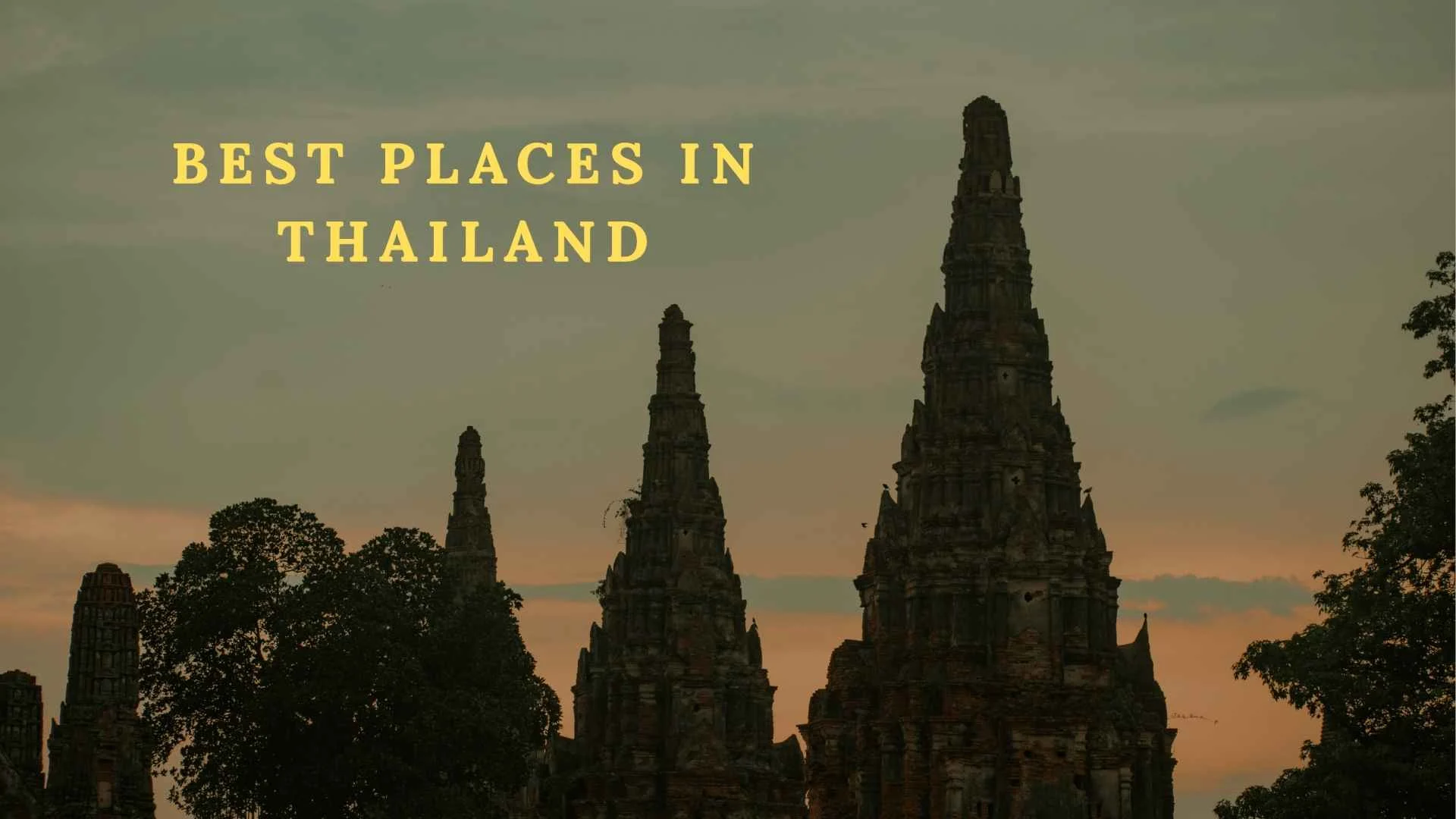
Thailand is a mesmerizing tapestry of mist-covered mountains, vibrant urban energy, and beaches that define the concept of paradise.
If you are hunting for the sacred silence of ancient temples, the frantic neon glow of Bangkok’s nightlife, or the gentle swaying of palms on a limestone-backed shore, the Land of Smiles offers a destination for every type of traveler. This guide helps you navigate the diverse geography of Southeast Asia’s most popular nation to find the perfect corner for your next adventure.
Quick Answer: Where Should You Go?
Thailand’s best destinations depend on your priorities: Bangkok is essential for culture and food, Chiang Mai is the hub for digital nomads and mountain trekking, and Phuket or Koh Samui offer world-class island luxury. For those seeking off-the-beaten-path serenity, Koh Lipe or the northern town of Pai provide distinct, quieter experiences that contrast with the more heavily touristed hubs.
Quick Comparison of Thailand’s Top Destinations
| Place | Best For | Top Attraction | Best Time to Visit | Avg. Budget |
| Bangkok | Urban Energy | Grand Palace | Nov–Feb | High |
| Chiang Mai | Culture/Temples | Wat Phra That Doi Suthep | Nov–Feb | Low |
| Phuket | Nightlife/Resorts | Patong Beach | Nov–Apr | High |
| Krabi | Nature/Climbing | Railay Beach | Nov–Apr | Medium |
| Koh Samui | Luxury/Relaxing | Big Buddha | Jan–Aug | High |
| Pai | Backpackers | Pai Canyon | Nov–Feb | Low |
| Koh Lipe | Snorkeling | Sunrise Beach | Nov–May | Medium |
The Best Places to Explore in Thailand
1. Bangkok: The Vibrant Capital
Bangkok is the pulsating heart of Thailand, a city where modern skyscrapers stand in the shadow of ornate Buddhist temples. It is the definitive starting point for any Thai journey.
- Why Visit: It offers an unparalleled mix of high-end shopping, street food mastery, and deep cultural history.
- Top Things to Do: Explore the Grand Palace, ride a long-tail boat through the canals (khlongs), and eat at Yaowarat (Chinatown).
- Local Food to Try: Pad Thai, Tom Yum Goong, and Mango Sticky Rice.
- Pro Tip: Use the BTS Skytrain and MRT subway to bypass the city’s infamous traffic.
2. Chiang Mai: The Northern Cultural Soul
Located in the mountainous north, Chiang Mai serves as a peaceful alternative to Bangkok, filled with over 300 temples and a thriving coffee culture.
- Why Visit: It is the gateway to the northern highlands, perfect for elephant sanctuaries and trekking.
- Top Things to Do: Hike up to Wat Phra That Doi Suthep, visit the Sunday Night Market, and take a traditional Thai cooking class.
- Local Food to Try: Khao Soi (creamy coconut curry noodle soup).
- Pro Tip: Visit between February and April to avoid the “burning season” when air quality drops due to agricultural fires.
3. Krabi: The Gateway to Limestone Islands
Krabi province is defined by its dramatic limestone cliffs rising vertically from emerald waters. It is the premier destination for rock climbing and island hopping.
- Why Visit: It provides access to some of the world’s most beautiful beaches, like Railay, which is accessible only by boat.
- Top Things to Do: Rock climb in Railay, kayak through mangroves in Ao Thalane, and visit the Phi Phi Islands.
- Best For: Couples and adventure seekers.
- Pro Tip: Book a private long-tail boat early in the morning to reach the Four Islands before the tour groups arrive.
4. Phuket: The Island of Variety
As Thailand’s largest island, Phuket offers a destination for everyone, from the high-octane parties of Patong to the quiet, boutique atmosphere of Kata Noi.
- Why Visit: It is incredibly accessible with an international airport and offers a vast infrastructure of luxury resorts and activities.
- Top Things to Do: Visit the Big Buddha, explore Old Phuket Town, and take a day trip to Phang Nga Bay.
- Pro Tip: Rent a scooter to discover secret beaches on the island’s western coast.
5. Koh Samui: The Sophisticated Retreat
Koh Samui is the island of choice for those seeking luxury, spa retreats, and high-end dining experiences without sacrificing beach beauty.
- Why Visit: It maintains a more refined, upscale atmosphere compared to the ruggedness of Phuket or the backpacker vibe of Koh Phangan.
- Top Things to Do: Visit the Fisherman’s Village in Bophut, see the Big Buddha, and enjoy a sunset cocktail at a luxury beach club.
- Pro Tip: Choose your beach carefully; Chaweng is for nightlife, while Choeng Mon is much quieter and better for families.
Hidden Gems for the Adventurous
- Koh Lipe: Often called the “Maldives of Thailand,” this tiny island in the Andaman Sea features crystal-clear water and white, powdery sand. It is perfect for those who want to do nothing but snorkel and read.
- Pai: Tucked away in a valley in the north, Pai is a bohemian enclave favored by travelers who love natural hot springs, canyon hikes, and a relaxed, artistic atmosphere.
How to Choose the Right Destination
Selecting your base requires balancing your travel style with your time constraints:
- For First-Timers: Stick to the “Golden Triangle” of Bangkok, Chiang Mai, and an Andaman island (like Krabi or Phuket).
- For Relaxation: Koh Samui or Koh Lipe.
- For Adventure: Krabi or Pai.
- For Culture: Chiang Mai or Ayutthaya.
Practical Travel Costs
Budgeting for Thailand varies significantly by region and lifestyle.
| Expense Category | Budget Traveler (Daily) | Mid-Range (Daily) | Luxury (Daily) |
| Accommodation | $15–$30 | $50–$100 | $200+ |
| Food | $10–$20 | $30–$50 | $80+ |
| Transport | $5–$10 | $15–$30 | $50+ |
| Total | $30–$60 | $95–$180 | $330+ |
Best Time to Visit
- Cool/Dry Season (Nov–Feb): The peak time to visit. Weather is mild and pleasant, but popular spots will be crowded.
- Hot Season (Mar–May): Very hot and humid. Great for beach lovers, but cities can be stifling.
- Rainy Season (Jun–Oct): Lower prices and fewer tourists. Rain usually comes in short, heavy bursts, but island ferry services may be disrupted.
Safety and Practical Tips
- Respect the Monarchy: Never speak ill of the royal family; it is a serious criminal offense.
- Temple Etiquette: Always cover your shoulders and knees when visiting religious sites.
- Water: Do not drink tap water. Stick to bottled or filtered water.
- Scams: Be wary of “too good to be true” transport deals or unauthorized tour guides in major cities.
Essential Packing Checklist
- Lightweight Clothing: Linen or breathable fabrics for humidity.
- Modest Attire: A sarong or long pants for temple visits.
- Sun Protection: High-SPF sunscreen and polarized sunglasses.
- Universal Adapter: Thailand uses Type A, C, and O plugs.
- Portable Charger: Essential for long travel days.
Frequently Asked Questions
Is Thailand safe for solo female travelers?
Yes, Thailand is consistently ranked as one of the safest countries in Southeast Asia for solo travelers. Practice standard safety precautions, such as keeping valuables secure and avoiding walking alone in unlit areas at night. The tourism infrastructure is excellent, and locals are generally very helpful to visitors.
Do I need a visa to visit Thailand?
Many nationalities are eligible for visa-exempt entry for tourism purposes, often ranging from 30 to 60 days. Always check your specific country’s requirements via the official Thai Embassy website before booking, as regulations frequently change.
What is the best way to get around Thailand?
For long distances, domestic flights are affordable and save significant time. Within cities, use the BTS/MRT in Bangkok, or apps like Grab for ride-hailing, which are safer and more transparent than local taxis. Tuk-tuks are fun for short distances but negotiate the price beforehand.
Is English widely spoken in Thailand?
In major tourist areas, hotels, and restaurants, English is widely understood. However, learning a few basic phrases in Thai, such as “Sawasdee-krap” (hello) and “Khop-khun-krap” (thank you), goes a long way in showing respect and earning local smiles.
When is the cheapest time to visit?
The low season, occurring during the rainy months from June to October, offers the best value for money. Hotels often drop prices by 30–50%, and popular attractions are significantly less crowded, allowing for a more intimate experience.
Are vaccines required for Thailand?
No specific vaccinations are mandatory for entry, but it is recommended to be up-to-date on routine vaccines. Consult a travel clinic for advice regarding hepatitis or typhoid, especially if you plan to visit rural areas or engage in extensive street food adventures.
Can I use a credit card everywhere?
While malls, hotels, and upscale restaurants accept credit cards, Thailand is still a cash-based economy. You will need Thai Baht for street food, local markets, and public transportation. Always keep small denominations on hand.
How many days should I spend in Thailand?
To experience the diversity of the country, a minimum of 10 to 14 days is recommended. This allows enough time to balance the urban chaos of Bangkok with the cultural depth of the north and the tropical relaxation of the islands without feeling rushed.
Key Takeaways
- Geography Matters: Match your destination to your desired vibe—Bangkok for culture, North for nature, Islands for relaxation.
- Seasonality: Travel between November and February for the best weather, or the shoulder season for fewer crowds.
- Respect Culture: Always observe proper temple attire and show respect for local customs.
- Value: Thailand offers options ranging from ultra-budget hostels to world-class luxury villas.
Conclusion
Thailand remains a top-tier destination because it caters to almost every travel desire, from the adrenaline-fueled rock climber to the luxury-seeking vacationer. By balancing your time between the historical richness of the north and the serene beauty of the southern islands, you will discover why millions return to this country year after year. Pack your bags, stay curious, and prepare to be charmed by the unique hospitality of the Land of Smiles.

I am Eleanor Whitmore, a writer who enjoys exploring meaningful words, everyday emotions, personal experiences, and ideas that connect with readers. I believe simple words can often express feelings that are difficult to explain. Through my writing, I aim to make every piece useful, relatable, and easy to understand.
Books:
- The Quiet Meaning of Words
- Little Thoughts, Lasting Feelings