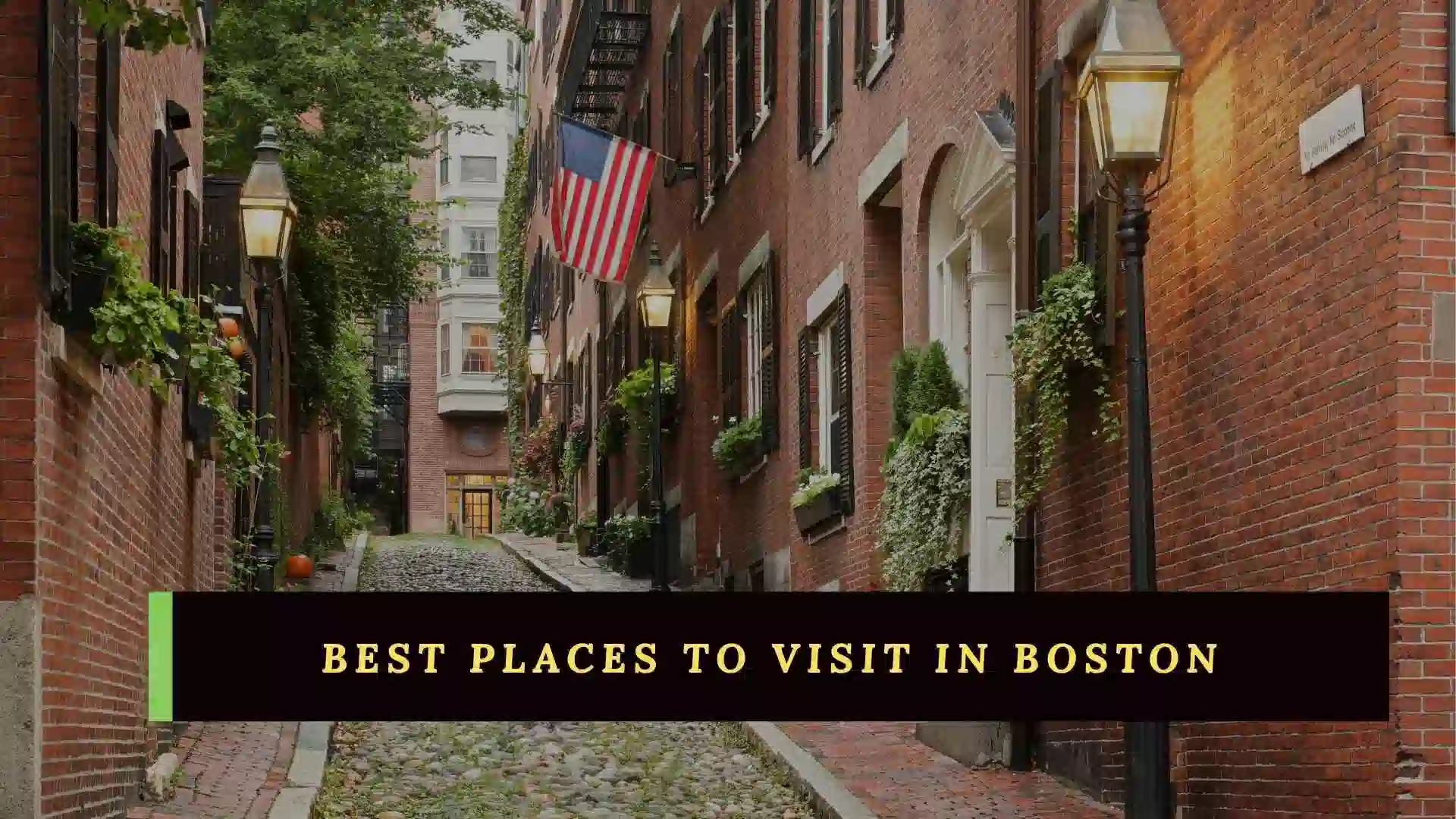
Boston is a city where history breathes through cobblestone streets and innovation defines the skyline. As one of America’s oldest cities, it offers a rare, seamless blend of 18th-century colonial charm and cutting-edge 21st-century urban energy.
If you are walking the hallowed grounds of the American Revolution, catching a game at the world’s most iconic ballpark, or exploring world-class museums in Cambridge, Boston provides an immersive travel experience that feels both monumental and intimate.
This guide is designed for first-time visitors, history buffs, families, and solo explorers seeking to make the most of their time in the Hub in 2026.
Quick Answer: What to See in Boston

For a quintessential Boston experience, prioritize the Freedom Trail to capture the city’s revolutionary heart, Fenway Park for its unmatched athletic heritage, and the Boston Public Garden for iconic, serene beauty. The North End is essential for culinary enthusiasts, while the Isabella Stewart Gardner Museum and Harvard University offer profound cultural and intellectual depth. These spots anchor any perfect Boston itinerary.
Quick Comparison Table
| Place | Location | Best For | Top Attraction | Best Time | Avg. Budget | Family Friendly |
| Freedom Trail | Downtown | History | Old North Church | Spring/Fall | Low | Yes |
| Fenway Park | Fenway | Sports | Baseball Game | Summer | High | Yes |
| Public Garden | Beacon Hill | Relaxation | Swan Boats | Summer | Free | Yes |
| North End | Waterfront | Foodies | Italian Pastries | Year-round | Moderate | Yes |
| Harvard Univ. | Cambridge | Culture | Widener Library | Fall | Low | Yes |
| Museum of Fine Arts | Fenway | Art | Egyptian Collection | Year-round | Moderate | Yes |
| New England Aquarium | Waterfront | Families | Giant Ocean Tank | Year-round | Moderate | Yes |
Best Places to Visit in Boston
1. The Freedom Trail
This 2.5-mile red-brick path is the backbone of Boston’s identity. It connects 16 official historic sites, including the Old State House, Granary Burying Ground, and the Paul Revere House. It is the best way to orient yourself to the city’s colonial roots.
- Why It’s Special: It offers an open-air history lesson that is entirely free and highly accessible.
- Travel Tip: Start at Boston Common and pick up a map at the Visitor Information Center. Wear comfortable shoes, as the brick sidewalks can be uneven.
2. Fenway Park
Even if you aren’t a baseball fan, visiting America’s oldest major league ballpark is a rite of passage. Opened in 1912, “America’s Most Beloved Ballpark” retains its original charm, from the manual scoreboard to the towering Green Monster left-field wall.
- Why It’s Special: The intimacy of the stadium creates an atmosphere you cannot find in modern, sprawling arenas.
- Travel Tip: Book a guided walking tour in advance if you aren’t visiting during a game day to see the dugout and the roof deck.
3. Boston Public Garden & Boston Common
As the oldest public park in the U.S. (the Common) and the first public botanical garden (the Public Garden), these two spaces are the city’s green lungs.
- Why It’s Special: The Public Garden is famous for its Victorian-era aesthetic and the seasonal Swan Boats.
- Fun Fact: The “Make Way for Ducklings” bronze statue is a local icon that is often dressed up by residents to reflect current events or sports victories.
4. The North End
Boston’s “Little Italy” is a maze of narrow, winding streets packed with history and aroma. It is the best place in the city to find authentic espresso, cannoli, and handmade pasta.
- Why It’s Special: It combines historic sites like the Old North Church with a vibrant, dense culinary scene.
- Local Food to Try: A cannoli from either Mike’s Pastry or Modern Pastry—join the local debate on which is superior.
5. Isabella Stewart Gardner Museum
This stunning museum is housed in a Venetian-style palace with a blooming indoor courtyard that transports visitors to another world.
- Why It’s Special: The eccentric collection is displayed exactly as Isabella Stewart Gardner left it upon her death in 1924.
- Travel Tip: Check the website for the latest exhibition schedules and book timed-entry tickets well in advance.
6. Harvard University and Cambridge
Just across the Charles River, Cambridge offers a different pace. Exploring Harvard Yard is like stepping back into the 17th century, balanced by the modern scientific advancements found at MIT.
- Why It’s Special: It is an intellectual mecca with free museums like the Harvard Museum of Natural History.
Hidden Gems
- The Mapparium: Located inside the Mary Baker Eddy Library, this three-story, stained-glass globe allows you to walk through the center of the world as it looked in 1935.
- Arnold Arboretum: Part of the Harvard system, this massive, tranquil park is spectacular during the fall foliage season and far less crowded than the downtown parks.
- Fort Point Channel: A historic warehouse district that has been transformed into a trendy arts hub with the Institute of Contemporary Art (ICA) perched directly over the water.
How to Choose Your Boston Destination

- For History Buffs: Stick to the Freedom Trail and the Charlestown Navy Yard (USS Constitution).
- For Families: The Museum of Science and the New England Aquarium are top-tier, interactive experiences.
- For Art Lovers: The Museum of Fine Arts and the Isabella Stewart Gardner Museum are essential.
- For Couples: A sunset stroll along the Charles River Esplanade or a candlelit dinner in the North End is ideal.
Travel Costs & Budgeting
| Category | Budget Range (Per Person) |
| Accommodation | $180 – $400/night |
| Food (Casual) | $15 – $30/meal |
| Fine Dining | $60 – $120+/meal |
| Attractions | $25 – $50/ticket |
| Daily Budget | $150 – $300 (excluding hotel) |
Best Time to Visit
- Late Spring (May–June): Mild weather and blooming flowers in the Public Garden.
- Autumn (September–October): Crisp air, stunning fall foliage, and less humidity.
- Winter (January–March): Best for budget travelers, though be prepared for cold temperatures and potential snow.
Safety Tips
Boston is generally very safe for tourists. However, stay aware of your surroundings in high-traffic areas like Faneuil Hall. Use the “T” (the MBTA subway system) for most transportation, as driving in Boston’s historic, winding streets is notoriously difficult and parking is expensive.
Essential Packing Checklist

- Comfortable Walking Shoes: You will do more walking than you expect.
- Layers: Boston’s weather, especially near the harbor, can change rapidly.
- Universal Power Adapter: If arriving from overseas.
- Light Rain Jacket: Essential for spring and autumn showers.
Frequently Asked Questions
Is Boston a walkable city?
Yes, Boston is one of the most walkable cities in the U.S. Most major attractions are clustered within a few miles, and the city’s layout encourages pedestrian exploration.
Do I need a car in Boston?
No, renting a car is discouraged. Parking is limited and expensive, and the city’s public transit (the “T”) and rideshare services are much more efficient for navigating the historic, narrow streets.
What is the best way to see the Freedom Trail?
You can walk the entire 2.5-mile trail for free using a map or follow the red bricks embedded in the sidewalk. For a deeper experience, guided tours with costumed historians are highly recommended.
Are there good day trips from Boston?
Absolutely. Salem is a quick train ride away for history and seasonal charm, and Cape Cod offers beautiful beaches during the summer months.
Is Boston expensive?
Boston is considered a high-cost city, particularly regarding hotels and dining. However, many of its historical sites are free or low-cost, allowing travelers to balance their budget.
What is the “T”?
The “T” is the colloquial name for the Massachusetts Bay Transportation Authority (MBTA) subway system. It is the most reliable way to get between downtown, Cambridge, and the suburbs.
Can I visit Harvard University?
Yes, the Harvard campus is open to the public for walking tours, though access to specific buildings like classrooms and libraries may be restricted.
When do the Swan Boats run?
The iconic Swan Boats in the Boston Public Garden typically operate from mid-April through Labor Day, weather permitting.
Key Takeaways
- History First: The Freedom Trail is the essential starting point for every visitor.
- Public Transit: Rely on the “T” and walking; avoid renting a car.
- Diverse Neighborhoods: Explore beyond downtown—each neighborhood, from the North End to Beacon Hill, has a distinct character.
- Book Ahead: For popular museums and tours, reservations are critical, especially on weekends.
Conclusion
Boston is a rare city where the past is not just preserved in books but lived in every day. By exploring the iconic Freedom Trail, dining in the historic North End, and taking in the academic air of Cambridge, you gain a deep appreciation for the spirit of the city.
If you are chasing revolutionary history or modern urban culture, Boston rewards those who take the time to walk its streets. Use this guide as your roadmap to a memorable 2026 trip and experience the very best that this storied metropolis has to offer.

I’m Ethan Whitmore, a passionate writer who enjoys turning useful ideas into clear, engaging, and easy-to-understand content. I focus on creating helpful articles that readers can actually use in their everyday lives. I believe good writing should feel natural, practical, and trustworthy. My books include The Thoughtful Writer’s Guide and Ideas That Connect.
Books:
- The Thoughtful Writer’s Guide
- Ideas That Connect