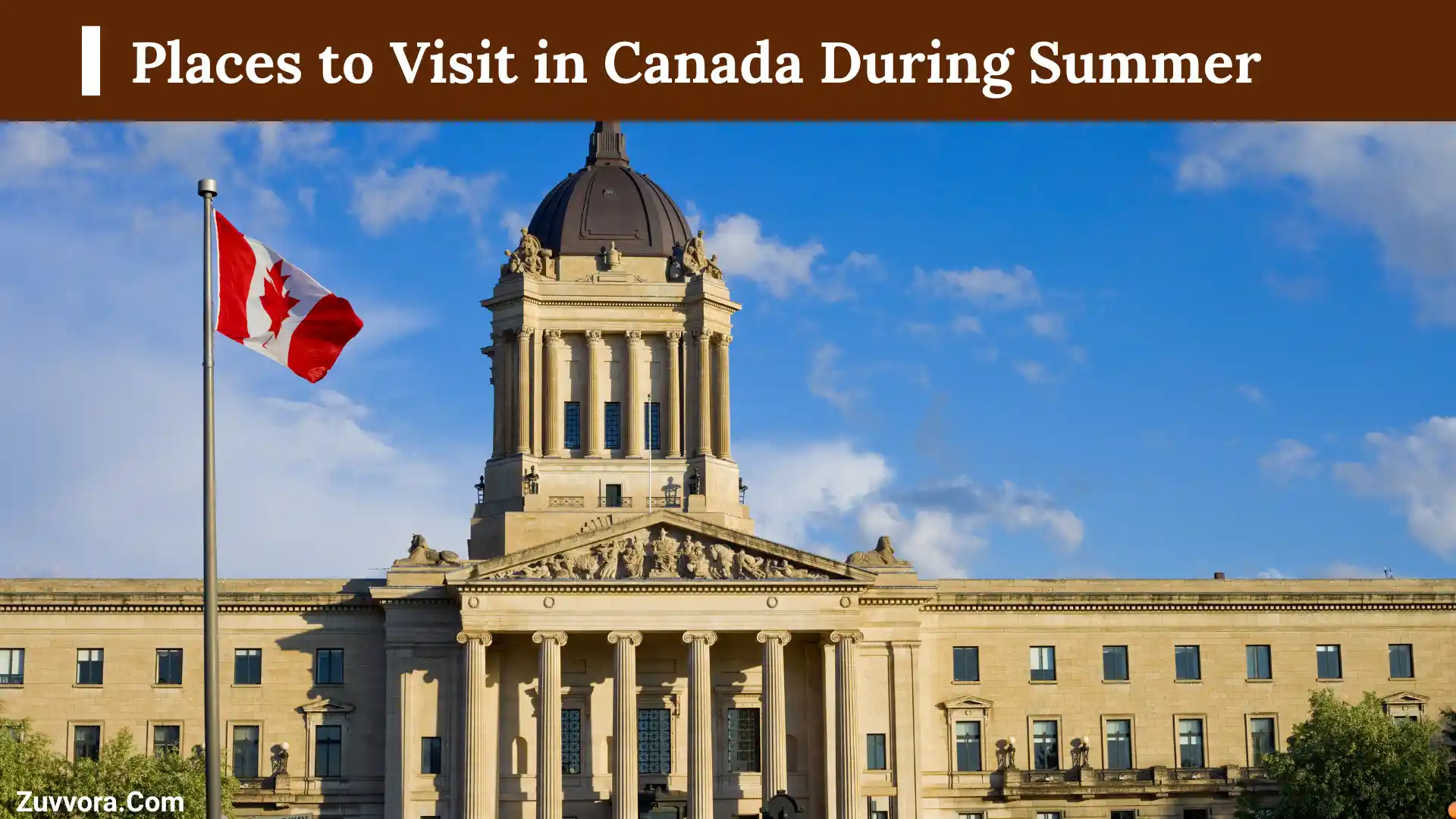
Summer is one of the best times to explore Canada, with beautiful lakes, mountain scenery, sandy beaches, historic cities, and scenic coastal towns. The best places to visit in Canada during summer include Banff National Park, Jasper National Park, Vancouver, Toronto, Niagara Falls, Montréal, Québec City, and Prince Edward Island.
From hiking in the Canadian Rockies to relaxing on Atlantic beaches, Canada offers experiences for families, couples, solo travelers, and adventure seekers. June through August is the main summer travel season, when many hiking trails, outdoor attractions, and seasonal activities are available.
This guide covers the top summer destinations in Canada, including their main attractions, estimated costs, recommended visit lengths, local food, and practical travel tips to help you plan your trip.
Best Places to Visit in Canada During Summer: (Quick Answer)
The best places to visit in Canada during summer include Banff National Park for mountain scenery, Jasper for wildlife, Vancouver for beaches and city attractions, Toronto for entertainment, and Niagara Falls for its spectacular waterfalls. Montréal and Québec City offer history and culture, while Vancouver Island, Nova Scotia, and Prince Edward Island are ideal for coastal scenery and relaxing summer vacations.
Quick Comparison Table
| Place | Location | Best For | Top Attraction | Best Time | Daily Budget (CAD) | Recommended Stay |
| Banff National Park | Alberta | Mountains and lakes | Lake Louise | July–September | 150–350 | 3–4 days |
| Jasper National Park | Alberta | Wildlife and hiking | Maligne Lake | July–September | 130–300 | 2–3 days |
| Vancouver | British Columbia | City and beaches | Stanley Park | June–September | 150–350 | 3–4 days |
| Toronto | Ontario | Museums and entertainment | CN Tower | June–September | 150–350 | 2–4 days |
| Niagara Falls | Ontario | Natural attractions | Horseshoe Falls | June–September | 120–300 | 1–2 days |
| Montréal | Quebec | Food and culture | Old Montréal | June–September | 120–280 | 3 days |
| Québec City | Quebec | History and architecture | Old Québec | June–September | 120–280 | 2–3 days |
| Vancouver Island | British Columbia | Coastal scenery | Pacific Rim National Park Reserve | June–September | 140–320 | 3–5 days |
| Whistler | British Columbia | Outdoor adventure | Whistler Mountain | June–September | 150–350 | 2–3 days |
| Prince Edward Island | Atlantic Canada | Beaches and seafood | PEI National Park | July–August | 130–300 | 3–4 days |
| Halifax | Nova Scotia | Maritime culture | Halifax Waterfront | June–September | 120–280 | 2–3 days |
| Cape Breton Island | Nova Scotia | Scenic drives | Cabot Trail | July–September | 120–280 | 2–4 days |
| Ottawa | Ontario | History and museums | Parliament Hill area | June–September | 120–280 | 2–3 days |
| Calgary | Alberta | City breaks and festivals | Calgary Tower | June–September | 120–280 | 1–2 days |
| Kelowna | British Columbia | Lakes and wineries | Okanagan Lake | June–September | 130–300 | 2–3 days |
Budgets are approximate Canadian dollars per person per day and exclude intercity flights. Actual costs depend on accommodation, transportation, activities, and travel dates.
Best Places to Visit in Canada During Summer
Banff National Park, Alberta
Banff National Park is one of the best places to visit in Canada during summer for turquoise lakes, towering mountains, hiking trails, and spectacular scenery.
Top attractions:
- Lake Louise: Enjoy the turquoise water, mountain views, and lakeside walking trails.
- Moraine Lake: Admire the dramatic peaks of the Valley of the Ten Peaks. Check seasonal access and shuttle arrangements before visiting.
- Banff town: Explore local shops, restaurants, and the Bow River waterfront.
- Johnston Canyon: Follow trails leading to beautiful waterfalls.
- Sulphur Mountain: Take the Banff Gondola or hike when conditions permit.
Best time to visit: July through September offers good opportunities for hiking and sightseeing, although high-elevation conditions vary.
Estimated budget: CAD 150–350 per person per day.
Ideal stay: Three to four days.
Banff is suitable for families, couples, photographers, and adventure travelers. You can enjoy easy lakeside walks or choose challenging mountain hikes depending on your experience.
Travel tips: Book accommodation early, check parking and shuttle arrangements, and bring layers because mountain weather can change quickly.
Nearby attractions: Canmore, Lake Minnewanka, and Yoho National Park.
Local food to try: Alberta beef, bison burgers, and locally made pastries.
Fun fact: Banff became Canada’s first national park in 1885.
Jasper National Park, Alberta
Jasper National Park is an excellent destination for travelers who want mountain landscapes, waterfalls, wildlife, and quieter wilderness experiences.
Top attractions:
- Maligne Lake: Enjoy mountain views and seasonal boat excursions.
- Athabasca Falls: Visit scenic viewpoints around the powerful waterfall.
- Medicine Lake: Observe its changing seasonal water levels.
- Icefields Parkway: Drive one of Canada’s most famous scenic highways when the route is open.
- Dark-sky experiences: Enjoy stargazing when skies are clear.
Best time to visit: July through September.
Estimated budget: CAD 130–300 per person per day.
Ideal stay: Two to three days.
Jasper suits families, couples, wildlife enthusiasts, and photographers. You can hike, explore lakes, photograph mountain scenery, and discover the park’s natural environment.
Travel tips: Check current park alerts, road conditions, and trail closures before traveling. Wildfire impacts can affect access to parts of the region.
Nearby attractions: Hinton and the Columbia Icefield area, depending on current access.
Local food to try: Hearty Canadian comfort food and regional specialties.
Fun fact: Jasper is part of the Canadian Rocky Mountain Parks UNESCO World Heritage property.
Vancouver, British Columbia
Vancouver combines beaches, mountain scenery, waterfront parks, and a diverse food scene. It is one of the best Canadian cities for travelers who want outdoor activities and urban entertainment in one trip.
Top attractions:
- Stanley Park: Walk or cycle the Seawall for ocean and skyline views.
- Granville Island: Explore the Public Market, shops, and waterfront restaurants.
- English Bay: Relax on the beach and enjoy sunset views.
- Grouse Mountain: Take a gondola ride or explore suitable hiking trails.
- Capilano Suspension Bridge Park: Experience forest walkways and the suspension bridge.
Best time to visit: June through September.
Estimated budget: CAD 150–350 per person per day.
Ideal stay: Three to four days.
Vancouver is ideal for families, couples, solo travelers, and food lovers. Public transportation makes it possible to explore many major attractions without renting a car.
Travel tips: Carry a light rain jacket, reserve popular attractions ahead of time, and allow enough time to travel between neighborhoods.
Nearby attractions: Richmond, North Vancouver, and Whistler.
Local food to try: Pacific salmon, Asian-inspired dishes, and fresh market food.
Fun fact: Vancouver is located between the Pacific Ocean and the Coast Mountains.
Toronto, Ontario
Toronto is Canada’s largest city and a popular summer destination for museums, shopping, waterfront activities, sports, and international cuisine.
Top attractions:
- CN Tower: Enjoy panoramic views of Toronto and Lake Ontario.
- Toronto Islands: Take a ferry for beaches, cycling, and skyline photography.
- Royal Ontario Museum: Explore natural history and cultural exhibitions.
- St. Lawrence Market: Discover food vendors and regional specialties.
- Distillery Historic District: Walk through historic streets filled with shops, galleries, and restaurants.
Best time to visit: June through September.
Estimated budget: CAD 150–350 per person per day.
Ideal stay: Two to four days.
Toronto suits families, couples, solo travelers, and visitors who enjoy city attractions. You can combine museums and markets with outdoor experiences along the waterfront.
Travel tips: Use public transit where practical and plan activities by neighborhood to avoid wasting time traveling across the city.
Nearby attractions: Niagara Falls, Hamilton, and the Royal Botanical Gardens.
Local food to try: Peameal bacon sandwiches, butter tarts, and international street food.
Fun fact: Toronto sits on the northwestern shore of Lake Ontario, one of North America’s Great Lakes.
Niagara Falls, Ontario
Niagara Falls is one of Canada’s most famous natural attractions. Its powerful waterfalls, boat tours, scenic viewpoints, and nearby wine country make it a popular summer destination.
Top attractions:
- Horseshoe Falls: Admire the waterfall from Canadian-side viewpoints.
- Boat tours: Experience the mist from the water on seasonal sightseeing cruises.
- Journey Behind the Falls: Visit viewing areas near and behind the waterfall.
- Niagara Parkway: Enjoy a scenic drive beside the Niagara River.
- Niagara-on-the-Lake: Explore a historic town known for shops, gardens, and wineries.
Best time to visit: June through September.
Estimated budget: CAD 120–300 per person per day.
Ideal stay: One to two days.
Niagara Falls is suitable for families, couples, and first-time visitors to Canada. Summer provides access to many outdoor attractions, although the main viewpoints can become crowded.
Travel tips: Book popular tours in advance and compare transportation options from Toronto. Allow extra time during busy weekends.
Nearby attractions: Niagara-on-the-Lake and the Niagara Parks Botanical Gardens.
Local food to try: Regional produce, ice cream, and Niagara Peninsula specialties.
Fun fact: Horseshoe Falls lies mainly on the Canadian side of the Niagara River.
Montréal, Quebec
Montréal is one of Canada’s best summer destinations for French-Canadian culture, historic architecture, festivals, markets, and excellent food.
Top attractions:
- Old Montréal: Explore historic streets, cafés, and the Old Port.
- Mount Royal Park: Enjoy walking trails and city viewpoints.
- Jean-Talon Market: Sample fresh produce and local food.
- Notre-Dame Basilica: Admire the elaborate interior.
- Summer festivals: Look for music, comedy, and cultural events during your visit.
Best time to visit: June through September.
Estimated budget: CAD 120–280 per person per day.
Ideal stay: Three days.
Montréal suits couples, solo travelers, families, and food enthusiasts. Public transit makes it convenient to explore different neighborhoods.
Travel tips: Explore beyond Old Montréal by visiting areas such as Mile End and Plateau-Mont-Royal. Check festival dates before booking your trip.
Nearby attractions: The Laurentians and Québec City.
Local food to try: Montréal-style bagels, poutine, and smoked meat sandwiches.
Fun fact: Montréal is located on an island in the Saint Lawrence River.
Québec City, Quebec
Québec City is known for its historic architecture, cobblestone streets, French-Canadian culture, and charming old town. Summer is a great time to explore its outdoor cafés, historic landmarks, and nearby waterfalls.
Top attractions:
- Old Québec: Explore the historic Upper Town and Lower Town.
- Château Frontenac: Photograph the landmark hotel overlooking the Saint Lawrence River.
- Petit-Champlain: Visit independent shops, cafés, and historic streets.
- Plains of Abraham: Enjoy a walk through the historic urban park.
- Montmorency Falls: Visit the waterfall just outside the city.
Best time to visit: June through September.
Estimated budget: CAD 120–280 per person per day.
Ideal stay: Two to three days.
Québec City is particularly suitable for couples, history enthusiasts, and families interested in culture and architecture.
Travel tips: Wear comfortable shoes because some streets are steep. Reserve popular accommodation early during summer festivals.
Nearby attractions: Île d’Orléans, Montmorency Falls, and the Charlevoix region.
Local food to try: Tourtière, maple treats, and local cheeses.
Fun fact: Old Québec is a UNESCO World Heritage site.
Vancouver Island, British Columbia
Vancouver Island is an excellent summer destination for coastal scenery, rainforests, wildlife, beaches, and charming seaside communities.
Top attractions:
- Victoria: Explore the Inner Harbour, Royal BC Museum, and Butchart Gardens.
- Pacific Rim National Park Reserve: Walk along beaches and explore rainforest trails.
- Cathedral Grove: Admire enormous trees in MacMillan Provincial Park.
- Whale-watching tours: Look for marine wildlife with responsible local operators.
- Coastal villages: Discover waterfront restaurants and independent shops.
Best time to visit: June through September.
Estimated budget: CAD 140–320 per person per day.
Ideal stay: Three to five days.
The island suits couples, families, photographers, and outdoor enthusiasts. Victoria offers historic attractions, while the western coast provides a wilder Pacific landscape.
Travel tips: Reserve ferry travel and accommodation ahead of peak summer dates. Driving between Victoria and Tofino takes several hours, so avoid planning too many distant stops in one day.
Nearby attractions: Gulf Islands, Salt Spring Island, and the Cowichan Valley.
Local food to try: Pacific salmon, Dungeness crab, and regional seafood.
Fun fact: Vancouver Island is large enough to support several distinct travel regions, each with its own scenery and character.
Whistler, British Columbia
Whistler is a mountain resort famous for hiking, mountain biking, gondola rides, and outdoor recreation. In summer, it offers a different experience from its winter skiing season.
Top attractions:
- Whistler Village: Explore restaurants, shops, and pedestrian streets.
- Peak 2 Peak Gondola: Enjoy elevated mountain views when operating.
- Lost Lake Park: Relax beside the water or explore local trails.
- Mountain biking: Choose routes suited to your experience.
- Hiking trails: Discover mountain scenery after checking seasonal conditions.
Best time to visit: June through September.
Estimated budget: CAD 150–350 per person per day.
Ideal stay: Two to three days.
Whistler is ideal for couples, families, and adventure travelers. Visitors can enjoy active outdoor days and comfortable resort facilities.
Travel tips: Check trail conditions before hiking and book popular summer activities in advance. You can travel from Vancouver without a car by using suitable transportation services.
Nearby attractions: Shannon Falls Provincial Park and Brandywine Falls Provincial Park.
Local food to try: Pacific Northwest cuisine and local café specialties.
Fun fact: Whistler was a major venue for the 2010 Winter Olympics.
Prince Edward Island
Prince Edward Island is known for sandy beaches, red sandstone coastlines, seafood, and peaceful rural landscapes. It is an excellent summer destination for families and couples who want a relaxed coastal vacation.
Top attractions:
- Green Gables Heritage Place: Explore the landscape associated with Anne of Green Gables.
- Prince Edward Island National Park: Visit beaches, dunes, and coastal trails.
- Charlottetown: Discover historic buildings, restaurants, and waterfront attractions.
- North Shore beaches: Relax on sandy beaches and enjoy ocean views.
- Coastal drives: Visit fishing villages and local food stops.
Best time to visit: July and August.
Estimated budget: CAD 130–300 per person per day.
Ideal stay: Three to four days.
The island suits families, couples, and beach lovers. Summer brings warmer weather and seasonal attractions, but popular accommodations can fill quickly.
Travel tips: Consider renting a car to reach beaches and rural communities. Check local swimming advisories and beach facilities before visiting.
Nearby attractions: Cavendish, North Rustico, and the Green Gables Shore.
Local food to try: Lobster rolls, mussels, and fresh island potatoes.
Fun fact: Charlottetown hosted the 1864 conference that helped establish the foundations of Canadian Confederation.
Halifax, Nova Scotia
Halifax is a lively coastal city with maritime history, a scenic waterfront, museums, and access to some of Nova Scotia’s most famous coastal attractions.
Top attractions:
- Halifax Waterfront: Walk beside the harbor and visit restaurants and shops.
- Halifax Citadel National Historic Site: Learn about the city’s military history.
- Canadian Museum of Immigration at Pier 21: Explore Canada’s immigration history.
- Peggy’s Cove: Visit the famous lighthouse and rocky coastline.
- Public Gardens: Enjoy landscaped paths and historic garden features.
Best time to visit: June through September.
Estimated budget: CAD 120–280 per person per day.
Ideal stay: Two to three days.
Halifax suits couples, families, solo travelers, and seafood enthusiasts. Its central attractions are accessible on foot, while organized tours and rental cars make coastal excursions easier.
Travel tips: Wear layers because ocean breezes can make evenings cool. At Peggy’s Cove, stay on marked paths and keep away from dangerous wave-washed rocks.
Nearby attractions: Lunenburg and the Annapolis Valley.
Local food to try: Nova Scotia lobster, seafood chowder, and oatcakes.
Fun fact: Halifax has one of the world’s largest natural harbors.
Cape Breton Island, Nova Scotia
Cape Breton Island is an outstanding destination for scenic drives, rugged coastlines, hiking, and traditional music. Its famous Cabot Trail offers views of the Atlantic Ocean and the Cape Breton Highlands.
Top attractions:
- Cabot Trail: Drive the coastal route and stop at scenic viewpoints.
- Cape Breton Highlands National Park: Explore hiking trails and mountain scenery.
- Skyline Trail: Enjoy coastal views when the trail is open.
- Baddeck: Visit a waterfront village associated with Alexander Graham Bell.
- Local music venues: Experience traditional Celtic performances.
Best time to visit: July through September.
Estimated budget: CAD 120–280 per person per day.
Ideal stay: Two to four days.
Cape Breton is best for road-trippers, couples, hikers, and photographers. A car is useful because attractions are spread across the island.
Travel tips: Allow enough time for the Cabot Trail instead of rushing through it in a few hours. Bring rain protection and comfortable hiking shoes.
Nearby attractions: Baddeck, Ingonish, and Chéticamp.
Local food to try: Seafood chowder, lobster, and Acadian specialties.
Fun fact: Cape Breton’s cultural traditions reflect Scottish, Acadian, Mi’kmaq, and other influences.
Ottawa, Ontario
Ottawa is an excellent summer destination for Canadian history, national museums, parks, and waterfront activities. As the country’s capital, it offers a mix of political landmarks and cultural attractions.
Top attractions:
- Parliament Hill area: Explore Canada’s federal capital district.
- Canadian Museum of History: Discover exhibitions about Canada’s past in nearby Gatineau, Quebec.
- National Gallery of Canada: Explore Canadian and international art.
- Rideau Canal: Walk or cycle beside the historic waterway.
- ByWard Market: Visit food stalls, cafés, and local shops.
Best time to visit: June through September.
Estimated budget: CAD 120–280 per person per day.
Ideal stay: Two to three days.
Ottawa suits families, couples, history enthusiasts, and museum lovers. Its parks and cultural attractions make it a balanced destination for both outdoor and indoor activities.
Travel tips: Check museum opening times and tour availability before visiting. Summer temperatures can be hot and humid, so carry water when exploring outdoors.
Nearby attractions: Gatineau Park and the Canadian Aviation and Space Museum.
Local food to try: Butter tarts and locally baked pastries.
Fun fact: Ottawa sits on the Ottawa River, near the boundary between Ontario and Quebec.
Calgary, Alberta
Calgary is a convenient summer destination for city attractions, western Canadian culture, outdoor parks, and festivals. It also serves as an important starting point for trips to Banff and other parts of the Canadian Rockies.
Top attractions:
- Calgary Tower: Enjoy views of the city.
- Prince’s Island Park: Relax beside the Bow River.
- Studio Bell: Explore Canada’s music history.
- Calgary Zoo: Visit family-friendly animal exhibits.
- Calgary Stampede: Experience rodeo events and western entertainment during the annual July festival.
Best time to visit: June through September.
Estimated budget: CAD 120–280 per person per day.
Ideal stay: One to two days.
Calgary is suitable for families, festival visitors, and road-trippers. You can explore the city before heading into the mountains.
Travel tips: Book accommodation early if traveling during the Calgary Stampede, when demand can increase substantially.
Nearby attractions: Banff National Park, Canmore, and Drumheller.
Local food to try: Alberta beef and locally prepared comfort food.
Fun fact: Calgary hosted the 1988 Winter Olympics.
Kelowna, British Columbia
Kelowna is a popular summer destination in British Columbia’s Okanagan Valley. It is known for lake activities, warm summer weather, orchards, cycling routes, and wine-country scenery.
Top attractions:
- Okanagan Lake: Enjoy swimming, kayaking, and lakeside recreation.
- Waterfront Park: Relax beside the water.
- Myra Canyon: Explore sections of the historic Kettle Valley Railway route.
- Local orchards: Sample seasonal fruit when available.
- Wineries: Visit tasting rooms and vineyards with advance reservations.
Best time to visit: June through September.
Estimated budget: CAD 130–300 per person per day.
Ideal stay: Two to three days.
Kelowna suits couples, families, cyclists, and travelers seeking a relaxing lakeside break.
Travel tips: Consider renting a car for rural attractions. Check local wildfire advisories and fire restrictions during hot, dry weather.
Nearby attractions: Peachland, Penticton, and the Okanagan Valley.
Local food to try: Seasonal cherries, peaches, and farm-to-table dishes.
Fun fact: The Okanagan Valley is one of Canada’s best-known wine-producing regions.
Hidden Gems to Visit in Canada During Summer
Fundy National Park, New Brunswick
Fundy National Park is known for coastal hiking, forest trails, and the remarkable tides of the Bay of Fundy. Visitors can explore scenic viewpoints, walk designated trails, and discover nearby coastal communities. Check tide tables before exploring exposed shore areas.
Haida Gwaii, British Columbia
Haida Gwaii offers remote beaches, temperate rainforests, and a rich Haida cultural heritage. Travelers should plan transportation carefully and respect local community guidance. Guided experiences can provide valuable context about the islands’ history and living Indigenous culture.
Kluane National Park and Reserve, Yukon
Kluane is a spectacular destination for mountain scenery, glaciers, and wilderness. It is especially suitable for experienced outdoor travelers and guided excursions. Limited services and changing weather make careful preparation essential.
Thousand Islands, Ontario
The Thousand Islands region offers boat cruises, waterfront villages, cycling, and historic attractions along the Saint Lawrence River. It is a good choice for visitors who want scenic water-based activities without traveling to a remote wilderness area.
Îles de la Madeleine, Quebec
These islands in the Gulf of Saint Lawrence are known for sandy beaches, colorful cliffs, fishing communities, and Acadian culture. Summer is the busiest season, so book accommodation and transportation well in advance.
How to Choose the Right Destination
The best Canadian summer destination depends on your budget, interests, travel style, and available time.
Choose Based on Your Budget
- Budget travelers: Consider Ottawa, Montréal, or Calgary and use public transportation where practical.
- Mid-range travelers: Explore Halifax, Québec City, or Nova Scotia’s coastal communities.
- Luxury travelers: Consider high-end stays in Banff, Tofino, or remote northern destinations.
Choose Based on Your Interests
| Travel Interest | Recommended Destinations |
| Mountains and hiking | Banff, Jasper, Waterton |
| Beaches and coastal scenery | Tofino, Prince Edward Island, Vancouver Island |
| Food and culture | Montréal, Québec City, Toronto |
| Family attractions | Vancouver, Toronto, Ottawa |
| Wildlife | Churchill, Jasper, Kluane |
| Scenic road trips | Cabot Trail, Icefields Parkway |
| Lakes and warm-weather recreation | Kelowna, Prince Edward Island |
| Historic towns | Québec City, Halifax, Charlottetown |
Choose Based on Trip Duration
- 3–5 days: Focus on one destination, such as Vancouver, Montréal, or Banff.
- 7 days: Combine two nearby destinations, such as Toronto and Niagara Falls.
- 10–14 days: Explore a region, such as the Canadian Rockies or Nova Scotia.
- Three weeks or longer: Plan a larger regional road trip with time for rest and unexpected delays.
Avoid visiting too many distant provinces during a short vacation. Canada’s size makes intercity travel time an important part of trip planning.
Travel Costs in Canada During Summer
Your total summer travel costs depend on accommodation, food, transportation, and paid activities. Booking early and spending more time in fewer destinations can help control expenses.
| Expense | Budget Traveler | Mid-Range Traveler | Luxury Traveler |
| Accommodation | 40–90 | 100–200 | 250–500+ |
| Food | 25–45 | 45–85 | 100–200+ |
| Transportation | 10–30 | 25–70 | 70–150+ |
| Attractions | 0–25 | 25–60 | 60–150+ |
| Daily Total | 75–190 | 195–415 | 480–1,000+ |
All amounts are approximate Canadian dollars per person per day. Actual costs vary by destination, travel dates, room-sharing arrangements, and activity choices.
Tips for Saving Money
- Book hotels and transportation early.
- Choose accommodation near public transportation.
- Prepare some meals instead of eating at restaurants every day.
- Enjoy free public parks, beaches, and walking trails.
- Compare rental-car costs with transit and organized tours.
- Check current national park admission fees and camping availability.
Best Time to Visit Canada in Summer
June through August is the main summer travel season in Canada. September can also be a good option for visitors who prefer cooler temperatures and potentially fewer crowds.
June
June offers long daylight hours, blooming gardens, and opportunities for city sightseeing and coastal travel. However, some high-elevation mountain trails may still have snow, and certain seasonal attractions may not yet be open.
July
July is popular for hiking, beach holidays, outdoor festivals, and road trips. Many seasonal attractions operate during this month, but accommodation prices and crowds can be high.
August
August is excellent for lakeside activities, coastal trips, and many mountain excursions. However, heat, wildfire smoke, and temporary outdoor restrictions can affect some destinations.
September
September can provide cooler weather and fewer visitors in many regions. Some mountain areas may experience early snowfall, and seasonal tours may begin to close.
Summer Festivals
Popular events include the Calgary Stampede in July, Montréal’s summer music festivals, Canada Day celebrations on July 1, and Toronto’s Canadian National Exhibition in August and early September. Confirm event dates before booking your trip.
Safety Tips for a Canadian Summer Vacation
- Check the weather: Mountain and coastal conditions can change quickly.
- Respect wildlife: Keep your distance from bears, moose, and other animals. Never feed wildlife.
- Monitor park alerts: Check road conditions, trail closures, and wildfire advisories.
- Stay safe around water: Follow swimming warnings, tides, and boating safety guidance.
- Prepare for remote areas: Carry water, offline maps, and appropriate emergency supplies.
- Protect yourself outdoors: Use sunscreen, insect repellent, and suitable clothing.
- Confirm travel documents: Check entry requirements, travel insurance, and driving regulations before departure.
For emergencies in Canada, call 911.
Packing Checklist for Summer in Canada
Pack according to your destination and planned activities.
- Lightweight clothing for warm days.
- A waterproof jacket and warm layers.
- Comfortable walking shoes or hiking boots.
- Swimwear for beaches and lakes.
- Sunscreen, sunglasses, and a sun hat.
- Insect repellent.
- A reusable water bottle and daypack.
- A portable charger and offline maps.
- Travel documents and insurance details.
- Warm clothing for mountain or northern destinations.
Frequently Asked Questions
What is the best place to visit in Canada during summer?
Banff National Park is an excellent choice for mountain scenery, turquoise lakes, and hiking. Vancouver is ideal for beaches and city attractions, while Montréal and Québec City are great for history, culture, and food. Your best choice depends on your interests, budget, and available time.
Which part of Canada is best to visit in July?
July is an excellent month for the Canadian Rockies, British Columbia’s coast, and Atlantic Canada. Banff and Jasper offer mountain adventures, while Prince Edward Island and Nova Scotia provide beaches and coastal scenery. Book accommodation and popular activities early because July is a busy travel month.
Is summer an expensive time to visit Canada?
Summer can be expensive because accommodation, rental cars, and popular tours often cost more during peak travel dates. You can reduce expenses by booking early, using public transportation, choosing affordable lodging, and visiting free parks and outdoor attractions.
How many days do you need to explore Canada?
A week is suitable for one region or a city-based trip with a nearby excursion. Ten to fourteen days allows you to explore a larger area at a comfortable pace. Because Canada is enormous, focus on one region rather than trying to visit several distant provinces in a short trip.
Is Canada good for a family summer vacation?
Yes. Toronto offers museums and island outings, Ottawa has national museums and parks, and Vancouver combines beaches with family attractions. Banff is also rewarding for families who enjoy nature. Choose activities and accommodation that suit your children’s ages and travel needs.
Where can you find the best beaches in Canada during summer?
Prince Edward Island is known for sandy beaches, while Tofino offers long Pacific beaches and surfing. Vancouver Island has diverse coastal scenery, and Kelowna is popular for freshwater lake recreation. Water temperatures and swimming conditions vary, so check local guidance before entering the water.
Is June or August better for visiting Canada?
June can bring fewer crowds, although some mountain trails may not be fully accessible. August generally offers warmer conditions for beaches and outdoor activities, but popular destinations can remain busy. Choose your travel month according to the region, activities, and seasonal conditions.
What are the cheapest places to visit in Canada during summer?
Ottawa, Montréal, and Calgary can offer good value when you use public transportation and free attractions. Camping may reduce accommodation costs in some regions, but campsites often require advance reservations. Remote destinations can be expensive because transportation and lodging options are limited.
Can you see the Northern Lights in Canada during summer?
Seeing the Northern Lights is difficult during much of the Canadian summer because long daylight hours and bright twilight reduce viewing opportunities. Northern destinations such as Yukon offer beautiful summer landscapes, but darker months are generally better for aurora viewing.
Do you need a car to travel around Canada in summer?
No. Public transportation works well for many visits to Toronto, Montréal, Vancouver, and Ottawa. However, a car is useful for exploring Cape Breton, Prince Edward Island, rural British Columbia, and many national parks. Compare rental costs, parking, and travel distances before deciding.
Key Takeaways
- Visit Banff and Jasper for mountains, lakes, and hiking.
- Choose Vancouver, Toronto, Montréal, or Québec City for urban attractions and culture.
- Explore Prince Edward Island, Tofino, and Nova Scotia for coastal scenery.
- Plan a scenic road trip along the Cabot Trail or Icefields Parkway.
- Consider Churchill or Yukon for northern landscapes and wildlife experiences.
- Book accommodation and popular activities early for peak summer dates.
- Check seasonal weather, road conditions, and park alerts before departure.
- Focus on one region if you have limited vacation time.
Conclusion
The best places to visit in Canada during summer offer an impressive variety of experiences, from the turquoise lakes of Banff to the historic streets of Québec City and the beaches of Prince Edward Island. Outdoor enthusiasts can explore the Canadian Rockies, while food lovers and culture seekers can enjoy Montréal, Toronto, and Halifax.
Choose destinations that match your interests, budget, and travel dates. By planning around seasonal conditions, allowing enough time for transportation, and booking popular accommodation early, you can enjoy a memorable Canadian summer vacation without rushing between distant places.

I am Theodore Langford, a writer fascinated by language, ideas, emotions, and the experiences people share in everyday life. I enjoy researching topics and presenting them in a straightforward way without making them complicated. My aim is to help readers understand new ideas while giving them something meaningful to take away.
Books:
- Beyond the Words
- Stories Hidden in Everyday Life