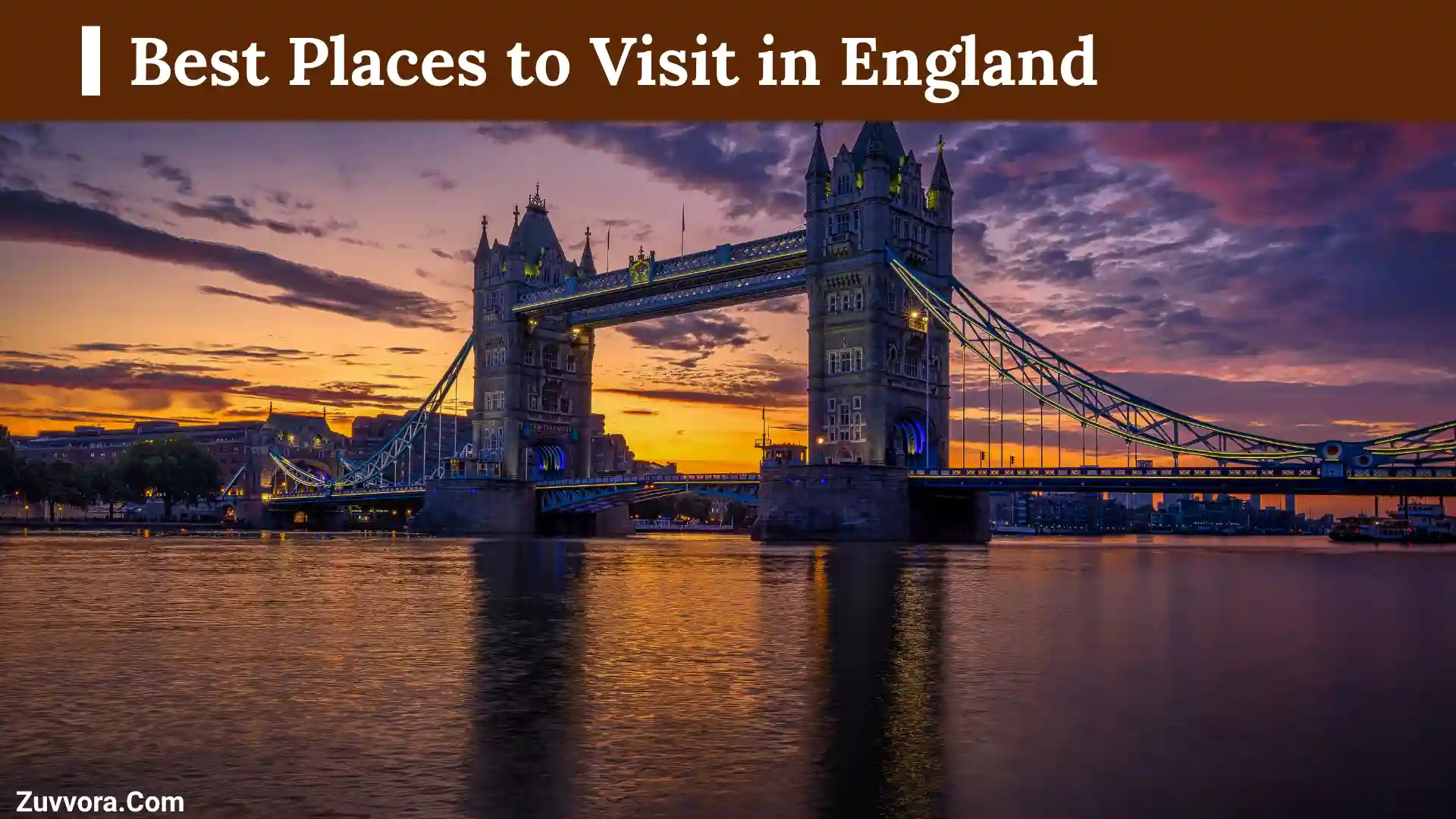
England offers an incredible mix of historic cities, dramatic coastlines, medieval villages, rolling countryside, and lively cultural destinations. From London’s world-famous landmarks and Bath’s Roman heritage to the Lake District’s mountain scenery and Cornwall’s sandy beaches, the best places to visit in England offer something for nearly every traveler.
If you’re planning your first trip from the United States, organizing a romantic getaway, traveling with children, or exploring England on a budget, choosing the right destinations can make your journey more rewarding. The key is to balance major attractions with smaller towns, local food experiences, and enough time to enjoy each place without rushing.
This guide covers England’s most worthwhile destinations, what to see in each one, when to visit, realistic travel costs, and practical tips to help you plan a trip that fits your interests.
Quick Answer: What Are the Best Places to Visit in England?
The best places to visit in England include London for iconic landmarks and museums, Bath for Roman history and Georgian architecture, Oxford and Cambridge for historic universities, the Lake District for outdoor adventures, the Cotswolds for charming villages, York for medieval streets, and Cornwall for coastal scenery. Windsor, Brighton, Manchester, Liverpool, and the Jurassic Coast are also excellent choices for history, culture, beaches, and day trips.
Quick Comparison of the Best Places to Visit in England
The following table compares popular destinations by their main attractions, ideal travel seasons, estimated daily costs, and recommended length of stay. Budgets are approximate per person in US dollars, excluding international flights, and assume ordinary sightseeing rather than luxury travel.
| Place | Location | Best For | Top Attraction | Best Time | Daily Budget | Family Friendly | Recommended Stay |
| London | Southeast England | First-time visitors | Tower of London | Apr–Jun, Sep | $150–300 | Yes | 3–5 days |
| Bath | Somerset | History and architecture | Roman Baths | Apr–Oct | $110–220 | Yes | 1–2 days |
| Oxford | Oxfordshire | Universities and history | Bodleian Library area | Apr–Jun, Sep | $100–200 | Yes | 1 day |
| Cambridge | Cambridgeshire | Punting and architecture | King’s College Chapel | May–Sep | $100–200 | Yes | 1 day |
| Lake District | Cumbria | Hiking and lakes | Windermere | May–Sep | $120–250 | Yes | 2–4 days |
| Cotswolds | Southwest and west-central England | Villages and countryside | Bibury | May–Sep | $120–250 | Yes | 2–3 days |
| York | North Yorkshire | Medieval history | York Minster | Apr–Oct | $100–200 | Yes | 1–2 days |
| Cornwall | Southwest England | Beaches and coastal walks | St Michael’s Mount | May–Sep | $120–260 | Yes | 3–5 days |
| Brighton | East Sussex | Seaside and nightlife | Brighton Palace Pier | May–Sep | $100–220 | Yes | 1–2 days |
| Windsor | Berkshire | Royal heritage | Windsor Castle | Apr–Oct | $100–220 | Yes | 1 day |
| Manchester | Northwest England | Music and football | National Football Museum | Apr–Oct | $100–200 | Yes | 1–2 days |
| Liverpool | Merseyside | Music and maritime history | Royal Albert Dock | May–Sep | $100–200 | Yes | 1–2 days |
| Stratford-upon-Avon | Warwickshire | Shakespeare and theater | Shakespeare’s Birthplace | Apr–Oct | $100–200 | Yes | 1 day |
| Peak District | Central and northern England | Hiking and villages | Mam Tor | May–Sep | $100–220 | Yes | 2–3 days |
| Jurassic Coast | Dorset and East Devon | Fossils and coastal scenery | Durdle Door | May–Sep | $100–220 | Yes | 2–3 days |
| Canterbury | Kent | Religious history | Canterbury Cathedral | Apr–Oct | $100–190 | Yes | 1 day |
| Newcastle upon Tyne | Northeast England | Nightlife and architecture | Tyne Bridge | May–Sep | $90–180 | Yes | 1–2 days |
| Bristol | Southwest England | Street art and culture | Clifton Suspension Bridge | May–Sep | $100–200 | Yes | 1–2 days |
| Whitby | North Yorkshire coast | Seaside history | Whitby Abbey | May–Sep | $100–200 | Yes | 1–2 days |
| Northumberland | Northeast England | Castles and wild beaches | Bamburgh Castle | May–Sep | $110–230 | Yes | 2–3 days |
Budget estimates vary by season, accommodation availability, transport choices, and paid activities. Popular summer weekends and school holidays can cost considerably more.
20 Best Places to Visit in England
These destinations combine famous attractions with local experiences, practical travel options, and different ways to enjoy England. You don’t need to visit every place on one trip; choosing a few nearby destinations usually creates a more comfortable itinerary.
1. London: The Best Place for First Time Visitors
London is the best starting point for many visitors because it brings together royal landmarks, world-class museums, historic neighborhoods, shopping, theater, and international cuisine. You can spend several days exploring the capital without running out of things to do.
Why it made the list: London offers an unusually broad range of experiences, from centuries-old royal buildings to modern galleries and bustling markets.
Top attractions and activities
- Visit the Tower of London to explore royal history and see the Crown Jewels.
- Walk around Westminster to see Big Ben, the Houses of Parliament, and Westminster Abbey.
- Explore the British Museum, National Gallery, or Natural History Museum.
- Take a stroll along the South Bank or browse the shops and food stalls at Borough Market.
- Catch a West End show or explore Covent Garden in the evening.
Best time to visit: April to June and September to October usually offer a good balance of comfortable weather and sightseeing conditions.
Estimated budget: $150–300 per person per day, depending heavily on accommodation.
Who should visit: Families, couples, solo travelers, culture lovers, luxury visitors, and budget travelers who take advantage of free museums and public transport.
Travel tips: Use the Underground and buses instead of taxis for most journeys. Book major attractions and theater tickets ahead when possible. Don’t try to see every landmark in one day; London’s neighborhoods are spread across a large area.
Nearby attractions: Greenwich, Windsor, Hampton Court Palace, and Kew Gardens.
Local food to try: Fish and chips, a traditional pie, afternoon tea, and dishes from London’s diverse international food scene.
Suggested stay: Three to five days. One day is enough for a highlights tour, but not for a full experience.
2. Bath: Roman History and Georgian Elegance
Bath is famous for its Roman bathing complex, honey-colored Georgian buildings, and relaxed atmosphere. Its compact center makes it easy to explore on foot, making the city an excellent addition to a London-based itinerary.
Why it made the list: Bath combines ancient history with elegant architecture in a walkable setting.
Top attractions and activities
- Explore the Roman Baths and learn how the ancient bathing complex worked.
- Visit Bath Abbey and admire the historic streets around it.
- Walk past the Royal Crescent and the Circus.
- Cross Pulteney Bridge and follow the River Avon.
- Relax at Thermae Bath Spa, which offers modern thermal bathing facilities.
Best time to visit: April to October is pleasant for walking, although winter visits can be quieter.
Estimated budget: $110–220 per person per day.
Who should visit: Couples, history enthusiasts, families with older children, and architecture lovers.
Travel tips: Bath works well as a day trip from London by train, but an overnight stay lets you enjoy the city after many day visitors leave. Reserve timed-entry attractions in advance during busy periods.
Nearby attractions: Bradford-on-Avon, Lacock, and the eastern Cotswolds.
Local food to try: Sally Lunn’s famous bun, traditional cream teas, and regional British dishes.
Suggested stay: One to two days.
3. Oxford: Historic Colleges and Literary Heritage
Oxford is known for the University of Oxford, historic college buildings, scholarly traditions, and literary connections. Its architectural beauty makes it rewarding even if you don’t have a particular interest in university life.
Why it made the list: Oxford offers a concentrated introduction to English academic history, historic libraries, and atmospheric streets.
Top attractions and activities
- Admire the Radcliffe Camera and surrounding university buildings.
- Visit the Bodleian Libraries area; access to individual buildings depends on tour availability.
- Explore Christ Church, subject to visitor arrangements.
- Browse independent shops and covered market stalls.
- Try punting on the River Cherwell during warmer months.
Best time to visit: April to June and September are excellent for walking and sightseeing.
Estimated budget: $100–200 per person per day.
Who should visit: Couples, solo travelers, students, families, and readers interested in literature or history.
Travel tips: Check college opening hours before visiting, as academic activities and special events can restrict access. Oxford is easy to reach by train or coach from London.
Nearby attractions: Blenheim Palace, Woodstock, and the Chiltern Hills.
Local food to try: Traditional pub meals, afternoon tea, and baked goods from local cafés.
Suggested stay: One full day, or two days if you want to visit nearby attractions.
4. Cambridge: Riverside Beauty and University Traditions
Cambridge combines historic university colleges, green riverside spaces, and the traditional activity of punting along the River Cam. The city feels compact and relaxed compared with London, yet it offers plenty of architecture and cultural attractions.
Why it made the list: Cambridge is ideal for visitors who want beautiful historic buildings and a leisurely day outdoors.
Top attractions and activities
- See King’s College Chapel and its remarkable Gothic architecture.
- Walk along the Backs, where college grounds meet the river.
- Take a guided punt tour on the River Cam.
- Explore the Fitzwilliam Museum.
- Visit the city’s independent bookshops, cafés, and historic market.
Best time to visit: May to September is particularly good for punting and outdoor dining.
Estimated budget: $100–200 per person per day.
Who should visit: Couples, families, photographers, and travelers interested in architecture and academia.
Travel tips: Book popular punt tours during summer weekends. Wear layers because riverside conditions can feel cooler than expected.
Nearby attractions: Ely Cathedral and the Fenland countryside.
Local food to try: Traditional cream teas, pub lunches, and locally baked cakes.
Suggested stay: One day, or an overnight stay for a slower visit.
5. The Lake District: England’s Best Destination for Nature Lovers
The Lake District in Cumbria is one of England’s most rewarding regions for hiking, boating, lakeside villages, and mountain scenery. It is part of a UNESCO World Heritage Site and offers a very different experience from England’s busy cities.
Why it made the list: The region combines accessible lakeside walks with challenging mountain routes and quiet rural communities.
Top attractions and activities
- Take a boat trip on Lake Windermere.
- Walk around Tarn Hows or explore the shores of Buttermere.
- Visit Grasmere, associated with poet William Wordsworth.
- Explore Keswick and its independent shops.
- Choose a hike suited to your fitness level, from gentle valley paths to mountain ascents.
Best time to visit: May to September generally provides the best conditions for outdoor activities, though rain is possible throughout the year.
Estimated budget: $120–250 per person per day.
Who should visit: Hikers, families, couples, photographers, and travelers seeking countryside retreats.
Travel tips: Don’t assume every lake is close to the next one. Roads can be narrow and slow, and public transport varies by area. Check mountain forecasts before hiking and carry appropriate waterproof clothing.
Nearby attractions: Ullswater, Derwentwater, and the western Lake District.
Local food to try: Grasmere gingerbread, Cumberland sausage, and traditional pub dishes.
Suggested stay: Two to four days.
6. The Cotswolds: Charming Villages and Rolling Countryside
The Cotswolds is a designated National Landscape known for limestone cottages, village greens, traditional pubs, and rolling hills. Villages such as Bibury, Castle Combe, and Bourton-on-the-Water are popular for their historic character.
Why it made the list: This region offers the classic English countryside experience many international visitors imagine before arriving.
Top attractions and activities
- Photograph the historic cottages of Arlington Row in Bibury.
- Walk beside the River Windrush in Bourton-on-the-Water.
- Explore Castle Combe and its quiet lanes.
- Visit a traditional country pub or local farm shop.
- Follow countryside walking routes between villages.
Best time to visit: May to September brings longer days and greener landscapes. Spring flowers and autumn colors are also attractive.
Estimated budget: $120–250 per person per day.
Who should visit: Couples, families, photographers, countryside lovers, and travelers seeking a slower pace.
Travel tips: A car is helpful for reaching several villages in one day, but parking is limited in some locations. Avoid blocking residential lanes for photographs, and respect private property. If you don’t drive, choose a base with useful bus connections or book a guided tour.
Nearby attractions: Blenheim Palace, Oxford, and Stratford-upon-Avon.
Local food to try: Cotswold cheeses, pork pies, traditional Sunday roasts, and cream teas.
Suggested stay: Two to three days.
7. York: Medieval Streets and Viking History
York is one of England’s most atmospheric historic cities, with medieval lanes, Roman roots, Viking heritage, and an impressive Gothic cathedral. Its compact center makes it easy to explore on foot.
Top attractions: Visit York Minster, walk along the medieval city walls, explore the Shambles, and discover Viking life at JORVIK Viking Centre.
Why visit: York combines several periods of English history in one walkable destination. The Shambles is beautiful, but don’t overlook the quieter lanes and riverside paths.
Best time: April to October; December is popular for seasonal markets and festive events.
Budget: $100–200 per person daily. Stay: One to two days.
Best for: Families, couples, history enthusiasts, and solo travelers.
Travel tips: Arrive early at popular attractions, especially during school holidays. The city center can be busy, so consider accommodation just outside the most crowded streets.
Nearby attractions: Castle Howard, the North York Moors, and Whitby.
Local food: Yorkshire pudding, traditional roast dinners, and Yorkshire curd tart.
Fun fact: York’s historic walls include substantial surviving sections that visitors can walk along, offering a different perspective on the city.
8. Cornwall: Beaches, Fishing Villages, and Coastal Walks
Cornwall occupies England’s southwestern peninsula and is known for sandy beaches, fishing harbors, surfing, seafood, and dramatic coastal paths. It feels quite different from England’s inland cities.
Top attractions: Explore St Ives, visit St Michael’s Mount when access permits, see Tintagel Castle, tour the Eden Project, and attend a performance at the Minack Theatre.
Why visit: Cornwall suits travelers who want a seaside holiday combined with historic sites and outdoor adventures.
Best time: May to September for beach activities; late spring can offer a balance of pleasant weather and fewer visitors.
Budget: $120–260 per person daily. Stay: Three to five days.
Best for: Families, couples, surfers, photographers, and road-trippers.
Travel tips: Cornwall is larger than it may appear on a map. Choose a base such as St Ives, Newquay, or Falmouth rather than attempting to cover the entire county in a day. Check tidal conditions before visiting coastal landmarks.
Nearby attractions: The Lizard Peninsula, Penzance, and the Isles of Scilly, which require additional travel planning.
Local food: Cornish pasties, cream teas, and fresh seafood.
Fun fact: Cornwall’s strong maritime identity is reflected in its fishing ports, coastal communities, and long-standing regional traditions.
9. Brighton: England’s Creative Seaside City
Brighton offers a lively mix of seaside attractions, independent shops, street art, restaurants, and nightlife. It is an excellent option for travelers who want a beach destination without leaving urban conveniences behind.
Top attractions: See the Royal Pavilion, walk along Brighton Palace Pier, explore the Lanes, and enjoy the seafront.
Why visit: Brighton is less about a traditional sandy beach holiday and more about combining the sea with shopping, food, art, and entertainment.
Best time: May to September.
Budget: $100–220 per person daily. Stay: One to two days.
Best for: Couples, friends, families, and solo travelers.
Travel tips: Brighton’s central beach is mainly pebbly, so bring suitable footwear. Book accommodation early for summer weekends and major events.
Nearby attractions: Seven Sisters Country Park, Lewes, and the South Downs.
Local food: Fish and chips, seafood, and independent café dishes.
Fun fact: The Royal Pavilion’s distinctive Indo-Saracenic exterior makes it one of the city’s most recognizable landmarks.
10. Windsor: Royal History Near London
Windsor is a historic town in Berkshire best known for Windsor Castle, one of the official residences of the British monarch. Its proximity to London makes it an easy addition to a short trip.
Top attractions: Tour Windsor Castle when open, walk through Windsor Great Park, browse the town center, and cross the river to Eton.
Why visit: Windsor offers royal heritage without requiring an overnight stay away from London.
Best time: April to October, although the castle and town attract visitors year-round.
Budget: $100–220 per person daily. Stay: One day.
Best for: Families, couples, history enthusiasts, and first-time visitors.
Travel tips: Check the castle’s official opening calendar before traveling. State occasions can affect access, and the castle is a working royal residence.
Nearby attractions: Eton College area, Runnymede, and Hampton Court Palace.
Local food: Traditional pub meals, afternoon tea, and British bakery treats.
Fun fact: Windsor Castle has served as a royal residence for nearly a thousand years.
11. Manchester: Music, Football, and Industrial Heritage
Manchester is a vibrant northern English city with a major music scene, football heritage, museums, restaurants, and a rich industrial past.
Top attractions: Visit the Science and Industry Museum, explore the Northern Quarter, tour a football stadium when available, and browse the galleries around the city center.
Why visit: Manchester offers a contemporary city break with cultural attractions and a strong identity shaped by music, sport, and industry.
Best time: April to October for comfortable city exploration.
Budget: $100–200 per person daily. Stay: One to two days.
Best for: Friends, football fans, music lovers, and solo travelers.
Travel tips: Reserve stadium tours and match tickets early. Football fixtures can increase hotel prices and make transport busier.
Nearby attractions: Salford Quays, the Peak District, and the historic city of Chester.
Local food: Manchester tart, traditional pies, and dishes from the city’s diverse food scene.
Fun fact: Manchester played a major role in the Industrial Revolution and later became internationally influential in popular music.
12. Liverpool: The Beatles and a Historic Waterfront
Liverpool combines maritime history, impressive architecture, football culture, and the musical legacy of the Beatles. Its waterfront and central attractions make it easy to enjoy over a weekend.
Top attractions: Explore the Royal Albert Dock, visit The Beatles Story, see the city’s cathedrals, and discover the Cavern Quarter.
Why visit: Liverpool is particularly rewarding for music fans, architecture enthusiasts, and travelers interested in Britain’s maritime past.
Best time: May to September for outdoor sightseeing.
Budget: $100–200 per person daily. Stay: One to two days.
Best for: Friends, couples, families, and music enthusiasts.
Travel tips: Check match schedules before booking accommodation. The waterfront and city center are walkable, but some attractions require separate transport.
Nearby attractions: Chester, the Wirral Peninsula, and Formby beach.
Local food: Scouse, a traditional stew associated with Liverpool, along with independent café and international dishes.
Fun fact: Liverpool’s waterfront is recognized as part of its historic maritime landscape, reflecting the city’s importance as a major port.
13. Stratford-upon-Avon: Shakespeare’s Hometown
Stratford-upon-Avon in Warwickshire is closely associated with William Shakespeare, whose birthplace and family history draw visitors from around the world.
Top attractions: Visit Shakespeare’s Birthplace, explore Anne Hathaway’s Cottage, see the Royal Shakespeare Theatre, and stroll along the River Avon.
Why visit: This is one of England’s most rewarding destinations for literature, theater, and Tudor-era history.
Best time: April to October, especially if you want to combine sightseeing with outdoor activities.
Budget: $100–200 per person daily. Stay: One day.
Best for: Couples, families with older children, literature fans, and theater lovers.
Travel tips: Check performance schedules before traveling, and allow time for attractions outside the town center.
Nearby attractions: Warwick Castle and the northern Cotswolds.
Local food: Traditional pub meals, afternoon tea, and regional baked goods.
Fun fact: Shakespeare was born in Stratford-upon-Avon in 1564, and the town remains closely connected to the performance of his plays.
14. The Peak District: Hiking and Traditional Villages
The Peak District National Park offers limestone valleys, dramatic edges, walking trails, and picturesque villages. It is an excellent choice for travelers who want outdoor experiences without traveling to the Lake District.
Top attractions: Walk around Castleton, explore Mam Tor, visit Bakewell, and admire the scenery at Dovedale.
Why visit: The region provides a variety of routes, from gentle countryside walks to more challenging hikes.
Best time: May to September for generally favorable hiking conditions.
Budget: $100–220 per person daily. Stay: Two to three days.
Best for: Hikers, families, couples, cyclists, and photographers.
Travel tips: Wear walking shoes and carry rain protection. Check route difficulty and local conditions before setting out, especially on exposed hills.
Nearby attractions: Chatsworth House, Buxton, and the market town of Matlock.
Local food: Bakewell pudding, local cheeses, and traditional pub meals.
Fun fact: The Peak District became Britain’s first national park in 1951.
15. The Jurassic Coast: Fossils, Cliffs, and Coastal Views
The Jurassic Coast stretches along parts of Dorset and East Devon and is a UNESCO World Heritage Site recognized for its geological significance.
Top attractions: See Durdle Door, walk near Lulworth Cove, explore Lyme Regis, and visit fossil-rich stretches of coastline.
Why visit: The coastline offers unusual rock formations, beautiful sea views, and opportunities to learn about Earth’s geological history.
Best time: May to September, although spring and autumn can be rewarding for quieter walks.
Budget: $100–220 per person daily. Stay: Two to three days.
Best for: Families, photographers, hikers, and geology enthusiasts.
Travel tips: Coastal paths can be steep and slippery. Follow local signs, avoid cliff edges, and never dig into unstable cliffs to search for fossils.
Nearby attractions: Weymouth, Corfe Castle, and the Isle of Portland.
Local food: Dorset apple cake, fresh seafood, and local ice cream.
Fun fact: The Jurassic Coast contains rock formations representing roughly 185 million years of geological history.
16. Canterbury: Cathedral Heritage and Historic Streets
Canterbury in Kent is a compact historic city known for Canterbury Cathedral, medieval architecture, and its important place in English religious history.
Top attractions: Visit Canterbury Cathedral, walk through the old city streets, explore the Canterbury Roman Museum, and browse independent shops.
Why visit: Canterbury is a convenient destination for history lovers and travelers seeking a quieter alternative to London’s busy streets.
Best time: April to October.
Budget: $100–190 per person daily. Stay: One day.
Best for: Couples, families, history enthusiasts, and solo travelers.
Travel tips: Check cathedral visitor arrangements and service times before arriving. The city works well as a day trip by train from London.
Nearby attractions: Whitstable, the Kent coast, and Dover Castle.
Local food: Kentish apple desserts, seafood from nearby coastal towns, and traditional pub food.
Fun fact: Canterbury Cathedral is part of a UNESCO World Heritage Site and has been a major pilgrimage destination for centuries.
17. Newcastle upon Tyne: Bridges, Culture, and Nightlife
Newcastle is a lively city in northeast England known for its riverside architecture, cultural institutions, nightlife, and distinctive local identity.
Top attractions: Walk along the Quayside, photograph the Tyne Bridge, visit Newcastle Castle, and explore the Baltic Centre for Contemporary Art in nearby Gateshead.
Why visit: Newcastle offers an engaging city break with a strong food, music, and cultural scene, often at lower costs than London.
Best time: May to September.
Budget: $90–180 per person daily. Stay: One to two days.
Best for: Friends, couples, solo travelers, and culture lovers.
Travel tips: The Quayside includes steep streets and slopes, so plan routes according to your mobility needs. Check event dates if you want a quieter visit.
Nearby attractions: Tynemouth, Northumberland’s castles, and Hadrian’s Wall.
Local food: Stottie sandwiches, pease pudding, and regional comfort food.
Fun fact: The Tyne Bridge is one of the city’s best-known symbols and an important part of its riverside skyline.
18. Bristol: Street Art, Harborside Walks, and Creative Culture
Bristol is a creative southwest English city known for street art, maritime history, independent businesses, and a lively food scene.
Top attractions: Visit the Clifton Suspension Bridge, explore the Harbourside, see street art in the city center, and tour Brunel’s SS Great Britain.
Why visit: Bristol balances historic engineering with contemporary arts and independent culture.
Best time: May to September, when outdoor walks and events are easier to enjoy.
Budget: $100–200 per person daily. Stay: One to two days.
Best for: Couples, friends, art enthusiasts, and solo travelers.
Travel tips: Explore street art on foot, but remember that murals can change over time. Bristol’s hilly streets make comfortable footwear useful.
Nearby attractions: Bath, the Mendip Hills, and the Cotswolds.
Local food: Local cider, independent bakery goods, and food from the city’s markets.
Fun fact: Engineer Isambard Kingdom Brunel designed several landmark projects associated with Bristol, including the SS Great Britain and the Clifton Suspension Bridge.
19. Whitby: Gothic History and a Traditional Fishing Harbor
Whitby is a seaside town on the North Yorkshire coast with a historic harbor, atmospheric streets, and dramatic views from Whitby Abbey.
Top attractions: Climb the famous 199 steps to the abbey area, explore the harbor, visit the Captain Cook Memorial Museum, and walk along the beach.
Why visit: Whitby combines seaside scenery with maritime history and literary associations, including its connection to Bram Stoker’s Dracula.
Best time: May to September, although autumn offers a different, quieter coastal atmosphere.
Budget: $100–200 per person daily. Stay: One to two days.
Best for: Couples, families, photographers, and history lovers.
Travel tips: The steps to the abbey can be tiring, and coastal weather changes quickly. Check transport timetables if you are visiting without a car.
Nearby attractions: Robin Hood’s Bay, the North York Moors, and Scarborough.
Local food: Whitby fish and chips, seafood, and Yorkshire baking.
Fun fact: Whitby’s connection to Dracula comes from the town’s appearance in Bram Stoker’s 1897 novel.
20. Northumberland: Castles and Quiet Beaches
Northumberland offers a less crowded side of England, with broad sandy beaches, historic castles, open countryside, and some of the country’s most appealing coastal landscapes.
Top attractions: Visit Bamburgh Castle, explore the tidal island of Lindisfarne when access is safe, and walk along Northumberland’s beaches.
Why visit: The region is ideal for travelers seeking scenery, history, and space away from major tourist centers.
Best time: May to September for coastal walks and outdoor sightseeing.
Budget: $110–230 per person daily. Stay: Two to three days.
Best for: Couples, families, photographers, history enthusiasts, and nature lovers.
Travel tips: Check the official tide timetable before traveling to Holy Island; the causeway becomes impassable at high tide. Some rural attractions have limited public transport, so plan ahead.
Nearby attractions: Alnwick Castle, the Northumberland National Park, and sections of Hadrian’s Wall.
Local food: Craster kippers, seafood, and regional pub dishes.
Fun fact: Northumberland International Dark Sky Park is known for its exceptionally dark skies, making the region appealing for stargazing when conditions are favorable.
Hidden Gems in England Worth Adding to Your Trip
Some of England’s most rewarding experiences come from smaller destinations that receive less attention than London, Bath, or the Cotswolds.
Rye, East Sussex
Rye is a small historic town with cobbled lanes, timber-framed buildings, independent shops, and a distinctive medieval atmosphere. Visit Mermaid Street and combine the town with a trip to nearby Camber Sands. It is especially appealing for couples and photographers.
Lacock is known for its historic cottages, village streets, and Lacock Abbey. It makes a peaceful addition to a trip around Bath and the Cotswolds. Arrive early, respect residents’ privacy, and check opening arrangements for the abbey and its grounds.
This former fishing village has narrow lanes, colorful cottages, and a sheltered harbor. It is a rewarding stop for walkers and photographers exploring the Yorkshire coast. The steep streets can be challenging, so allow extra time if mobility is a concern.
Ludlow is a historic market town with a castle, independent food businesses, and access to the Shropshire countryside. It is an excellent option for travelers interested in regional food and slower-paced English towns.
Shaftesbury is famous for Gold Hill, a steep cobbled street lined with traditional cottages. Its elevated position offers countryside views, making it a worthwhile detour for photographers and visitors exploring rural southern England.
These destinations are best treated as additions to nearby regions rather than standalone stops on a fast-paced trip. Check local transport, parking, and attraction opening times before visiting.
How to Choose the Right Place to Visit in England
The best destination depends on your budget, interests, travel dates, and how much time you have. England is relatively compact compared with the United States, but traveling between regions can still take several hours.
| Your Priority | Best Destinations | Why |
| First trip to England | London, Bath, York | Major landmarks and history |
| Romantic getaway | Bath, Cotswolds, Lake District | Scenic walks, historic hotels, and countryside |
| Family vacation | London, York, Windsor | Museums, castles, and family attractions |
| Beaches and coastal scenery | Cornwall, Brighton, Northumberland | Beaches, coastal paths, and seaside towns |
| Hiking and nature | Lake District, Peak District | Walking routes, lakes, and countryside |
| History and architecture | York, Oxford, Canterbury | Historic buildings and museums |
| Budget travel | Manchester, Liverpool, Newcastle | Cultural attractions and options at different price points |
| Short trip from London | Windsor, Oxford, Bath | Convenient rail connections |
| Food and local culture | Bristol, Liverpool, Cotswolds | Markets, regional dishes, and independent restaurants |
| Quiet countryside | Northumberland, Shropshire, Lake District | Rural villages and open landscapes |
Choose destinations based on your budget
London generally requires the largest budget, particularly for hotels and paid attractions. Manchester, Newcastle, and Liverpool can offer better value, although prices rise during major events.
To save money, book accommodation early, use trains or coaches strategically, visit free museums, and avoid changing hotels every night. Staying slightly outside a busy city center can also reduce costs, provided transport remains convenient.
Consider weather and activities
If you want hiking, boating, or beach activities, late spring and summer usually offer the most useful combination of daylight and outdoor opportunities. For museums, historic buildings, and city breaks, spring and autumn can be more comfortable and less crowded.
England’s weather is changeable in every season. Always check local forecasts before planning mountain walks or coastal activities.
Match your trip length to your destination
- 3–4 days: Focus on London, with a possible day trip to Windsor.
- 5–7 days: Combine London with Bath and Oxford, or London with York.
- 8–10 days: Add the Cotswolds, Liverpool, or the Lake District.
- Two weeks: Explore several regions, such as London, the Midlands, northern England, and the southwest.
Trying to visit Cornwall, the Lake District, York, and London in only a few days will leave little time to enjoy each destination.
Think about accessibility and safety
Large cities generally provide more transport options, while rural villages and national parks may require a car, advance planning, or longer walks. Check step-free access, accessible accommodation, and attraction facilities if these matter to your group.
England is generally a manageable destination for independent travel, but you should still protect your belongings, follow local safety advice, and plan outdoor activities according to conditions.
Travel Costs in England
A realistic daily budget for England depends on accommodation, transport, dining choices, and paid attractions. The following estimates are per person in US dollars and exclude international flights.
| Expense | Budget Traveler | Mid-Range Traveler | Luxury Traveler |
| Accommodation per night | $35–80 | $100–200 | $250–500+ |
| Food per day | $20–35 | $40–70 | $90–180+ |
| Local transportation per day | $8–20 | $15–35 | $40–100+ |
| Attractions per day | $0–20 | $20–50 | $50–150+ |
| Estimated daily total | $65–155 | $175–355 | $430–930+ |
These are planning estimates, not live prices. They assume one person’s share of accommodation, and actual costs can vary significantly by destination, travel dates, and room-sharing arrangements.
How to save money while traveling
- Use free attractions: London’s major museums, public parks, and many galleries offer free general admission.
- Compare train and coach fares: Advance train tickets can be cheaper, while coaches may offer lower prices on longer routes.
- Travel outside peak periods: School holidays, summer weekends, and major events often increase accommodation costs.
- Choose a convenient base: Staying near a train station or bus route can reduce taxi expenses.
- Check attraction tickets: Some historic sites require admission, and advance booking can help you avoid disappointment.
- Eat locally: Supermarkets, market stalls, bakeries, and lunch specials can cost less than restaurant dinners.
Best Time to Visit England
The best time to visit England for most travelers is late spring through early autumn, particularly May, June, and September. These months often offer a useful balance of daylight, outdoor activities, and manageable crowds, although conditions vary by region.
| Season | Months | What to Expect | Best Destinations |
| Spring | March–May | Blooming gardens, changeable weather, longer days | London, Bath, Cotswolds |
| Summer | June–August | Long daylight hours, festivals, busy attractions | Cornwall, Lake District, Brighton |
| Autumn | September–November | Autumn colors, cooler weather, quieter periods | York, Peak District, Lake District |
| Winter | December–February | Short days, cold weather, festive events | London, Bath, Manchester, York |
Spring: March to May
Spring is a good time for gardens, countryside walks, and city sightseeing. Flowers begin appearing in parks and historic gardens, while temperatures gradually become milder.
Pack layers and a waterproof jacket because spring showers are common. Early spring can still feel cold, especially in northern England and elevated areas.
Summer: June to August
Summer is popular for beaches, outdoor festivals, hiking, and coastal travel. Longer days allow more sightseeing, but accommodation and transport can become expensive around school holidays.
Cornwall, Brighton, the Lake District, and the Cotswolds are particularly attractive for outdoor trips. Reserve popular accommodation early, especially in small coastal towns.
Autumn: September to November
September often offers a pleasant balance of daylight and fewer summer visitors. October brings colorful foliage to parks and countryside, while November becomes darker and cooler.
This is a strong season for York, Bath, Oxford, and countryside destinations, provided you plan around shorter days and occasional rain.
Winter: December to February
Winter is suitable for museums, historic city centers, theater, and festive markets. London, Bath, and York are especially appealing for travelers who enjoy seasonal decorations and indoor attractions.
However, rural transport may be less frequent, some attractions operate shorter hours, and mountain conditions can become challenging. Check opening schedules before making special journeys.
Festivals and seasonal events
England hosts events throughout the year, including the Chelsea Flower Show in London, Glastonbury Festival in Somerset when scheduled, the Edinburgh Fringe in neighboring Scotland, and Christmas markets in various English cities.
Check official event calendars for dates, ticket availability, and travel disruptions. Large festivals can significantly affect accommodation prices even in nearby towns.
Safety Tips for Visiting England
England is generally straightforward to explore, but sensible precautions help make a trip smoother.
- Protect your belongings: Keep your phone, wallet, and passport secure in crowded stations, markets, and tourist areas.
- Plan transport after dark: Check the last train or bus, especially in smaller towns and rural areas.
- Follow coastal warnings: Cliffs, strong currents, tides, and slippery paths can be dangerous. Never approach unstable cliff edges.
- Check hiking conditions: Carry suitable footwear, water, waterproof clothing, and a charged phone when exploring national parks.
- Understand road rules: Vehicles drive on the left. Rural roads can be narrow, and passing places may be necessary.
- Save emergency information: In the UK, call 999 or 112 for emergencies requiring police, fire, or ambulance services.
- Keep travel documents secure: Carry a suitable form of identification and keep copies of important travel documents separately.
- Check travel insurance: Make sure your policy covers planned activities, including hiking or water sports where applicable.
- Use licensed transport: Choose reputable taxi services or official ride-booking options.
- Check access restrictions: Castle openings, religious services, special events, and tidal crossings can affect your plans.
For most visitors, the biggest practical challenges are changeable weather, transport planning, busy attractions, and managing distances between regions rather than personal safety concerns.
Packing Checklist for England
Packing for England is easier when you prepare for changing weather rather than relying on a single forecast.
Your packing checklist
0 of 20 packed
Clothing
Waterproof jacket
Comfortable walking shoes
Layers such as sweaters and light jackets
Clothing suitable for restaurants or theater
Extra socks
Travel essentials
Passport and required travel documents
Travel insurance details
Credit or debit cards
Phone and charger
UK-compatible power adapter
Outdoor gear
Small daypack
Reusable water bottle
Sun protection for summer
Compact umbrella
Basic first-aid supplies
Planning and comfort
Offline maps or downloaded travel information
Train and attraction booking details
Prescription medicines
Portable battery pack
Small bag for day trips
Reset checklist
If you plan to hike in the Lake District or Peak District, bring sturdier footwear and extra layers. For a city-focused trip, comfortable shoes and rain protection will usually be more useful than bulky outdoor equipment.
Frequently Asked Questions About Visiting England
What is the most beautiful place to visit in England?
The answer depends on what you enjoy. The Lake District is ideal for lakes and mountains, the Cotswolds for traditional villages, Cornwall for beaches and coastal scenery, and Northumberland for castles beside quiet beaches. For historic architecture and city life, Bath and York are excellent choices.
How many days do you need to visit England?
Seven to ten days is a useful starting point for a first trip, allowing you to explore London and two or three other destinations. Two weeks gives you more time to visit northern England, the southwest, or the countryside without rushing. If you have only three or four days, concentrate on London and one nearby destination.
What are the best places to visit in England for first-time visitors?
London is the strongest starting point because it offers iconic landmarks, museums, theater, and extensive transport connections. Bath, Oxford, Windsor, and York make excellent additions for history and architecture. Travelers with more time can include the Cotswolds or Lake District for a change of scenery.
What is the cheapest place to visit in England?
Costs depend on your dates and accommodation, but cities such as Manchester, Liverpool, and Newcastle can offer good value compared with central London. Free museums, affordable food, and advance transport bookings can reduce expenses. Rural destinations may seem inexpensive, but car rental and limited accommodation can increase the total cost.
Is England worth visiting in winter?
Yes. Winter is a good season for museums, historic cities, theater, shopping, and Christmas markets. London, Bath, and York are especially appealing for cultural activities. However, daylight hours are short, temperatures are lower, and some rural attractions reduce their opening hours, so plan outdoor sightseeing carefully.
What are the best places to visit in England with family?
London offers museums and attractions for different ages, while Windsor provides royal history and York has medieval streets and Viking exhibits. The Lake District is excellent for families who enjoy outdoor activities, and Cornwall offers beaches and coastal adventures. Choose destinations with convenient transport and activities suited to children’s ages.
Can you explore England without renting a car?
Yes. London’s public transport system and the rail network connect many major cities, including Bath, Oxford, Cambridge, York, Manchester, and Liverpool. However, visiting scattered Cotswolds villages, remote beaches, and rural national park locations can be harder without a car. Guided excursions and local buses can help fill those gaps.
What is the best month to visit England?
May, June, and September are often good choices because they combine useful daylight with opportunities for sightseeing and outdoor activities. July and August are better suited to many beach holidays but can be busier and more expensive. The best month ultimately depends on your destination, weather preferences, and planned activities.
What should you not miss when visiting England?
For a first visit, prioritize London’s major landmarks, at least one historic city such as Bath or York, and a countryside or coastal destination. This combination gives you a balanced view of England’s history, architecture, culture, and landscapes. If you have limited time, choose fewer destinations and explore them properly.
Is England suitable for a romantic getaway?
England offers many romantic options, including Bath’s historic architecture, the Cotswolds’ countryside inns, the Lake District’s lakeside walks, and Cornwall’s coastal villages. Couples can combine scenic walks with traditional pubs, afternoon tea, and historic hotels. Spring and early autumn are especially attractive for travelers seeking a quieter atmosphere.
Key Takeaways
- London is the best starting point for first-time visitors and major landmarks.
- Bath, Oxford, Cambridge, and York are excellent for history and architecture.
- The Lake District and Peak District are ideal for hiking and countryside experiences.
- The Cotswolds offers traditional villages and rural scenery.
- Cornwall, Brighton, and the Jurassic Coast are strong choices for coastal trips.
- Manchester, Liverpool, Bristol, and Newcastle offer culture, food, and city experiences.
- Northumberland and smaller towns provide alternatives to the busiest tourist destinations.
- May, June, and September are useful months to consider for a balanced trip.
- Seven to ten days allows a first-time visitor to explore several destinations comfortably.
- Advance planning for accommodation, transport, attraction tickets, and weather can improve your trip and help control costs.
Conclusion
The best places to visit in England offer far more than famous landmarks. You can explore London’s museums, discover Roman history in Bath, wander through medieval York, hike in the Lake District, enjoy the traditional villages of the Cotswolds, or relax beside Cornwall’s beaches. Each destination reveals a different side of England’s history, culture, and landscape.
For your first trip, consider combining London with Bath and one countryside destination. If you prefer outdoor adventures, focus on the Lake District or Peak District. For a coastal escape, choose Cornwall or Northumberland. By matching destinations to your interests, budget, and available time, you can create an England itinerary that feels rewarding rather than rushed.

I am Eleanor Whitmore, a writer who enjoys exploring meaningful words, everyday emotions, personal experiences, and ideas that connect with readers. I believe simple words can often express feelings that are difficult to explain. Through my writing, I aim to make every piece useful, relatable, and easy to understand.
Books:
- The Quiet Meaning of Words
- Little Thoughts, Lasting Feelings