
Choosing the best place to live in Japan is a deeply personal decision that balances career opportunities, lifestyle preferences, and budget.
If you are drawn to the neon-lit skyscrapers of Tokyo, the historic charm of Kyoto, or the burgeoning startup scene in Fukuoka, Japan offers a remarkably high quality of life, exceptional safety, and world-class infrastructure.
This guide is designed for expats, digital nomads, and families seeking to navigate the diverse residential landscape of Japan in 2026.
Quick Answer: Where Should You Live?
The best places to live in Japan depend on your priorities. Tokyo is ideal for career-focused individuals seeking global connectivity. Yokohama offers a balanced, family-friendly coastal lifestyle near the capital. Osaka is perfect for those who value food, lower costs, and a gregarious social atmosphere. Fukuoka stands out as the premier destination for tech-savvy residents and those wanting a high quality of life at a more accessible price point.
Quick Comparison Table
| Place | Best For | Vibe | Top Attraction | Budget | Family Friendly |
| Tokyo | Careers/Urban Life | High-Energy | Shibuya Crossing | High | Yes |
| Yokohama | Families/Commuters | Relaxed/Coastal | Minato Mirai | High-Mid | Excellent |
| Osaka | Foodies/Socialites | Vibrant/Casual | Dotonbori | Moderate | Yes |
| Fukuoka | Tech/Startups | Modern/Growth | Ohori Park | Affordable | Very High |
| Kyoto | Culture/History | Traditional/Quiet | Fushimi Inari | Moderate | Moderate |
| Sapporo | Nature Lovers | Spacious/Cold | Odori Park | Affordable | High |
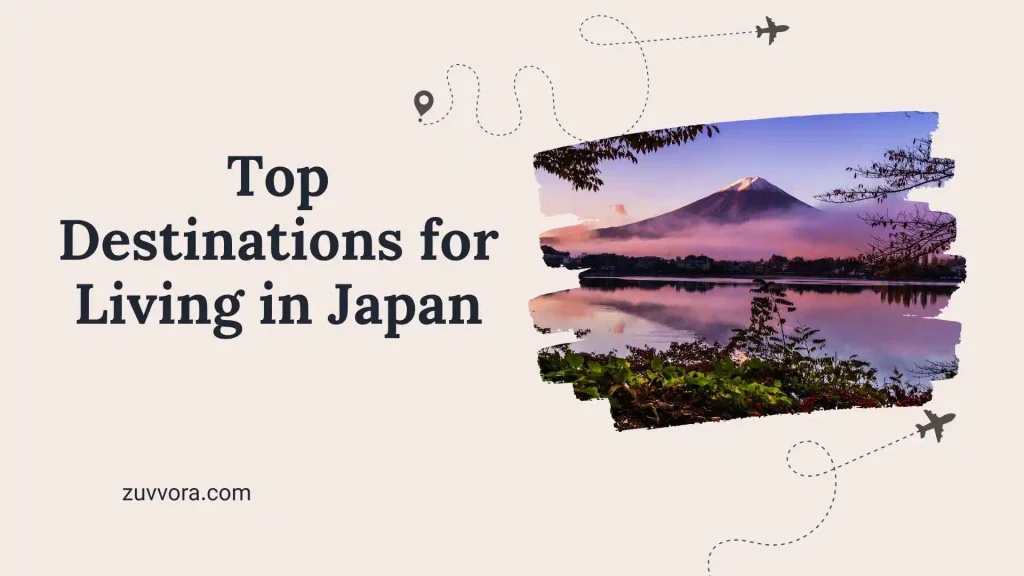
Top Destinations for Living in Japan
1. Tokyo: The Global Metropolis
Tokyo is the heartbeat of Japan, a sprawling urban jungle that seamlessly integrates futuristic technology with deeply rooted traditions. It remains the top choice for professionals due to its unparalleled job market and international community.
- Why It Made the List: It is the primary hub for international business, education, and entertainment.
- Best Things to Do: Explore the nightlife in Shinjuku, shop in Ginza, and enjoy peaceful mornings at Meiji Jingu.
- Ideal Travelers: Corporate professionals, artists, and those who thrive on constant energy.
- Local Food to Try: Edomae-style sushi and authentic ramen in Tokyo’s countless specialized shops.
2. Yokohama: The Sophisticated Port City
Just a short train ride from Tokyo, Yokohama offers a more breathable, ocean-front lifestyle. It is frequently cited as one of the best cities for families who want to remain close to the capital without the sensory overload of downtown Tokyo.
- Why It Made the List: Exceptional quality of life, beautiful bay-side parks, and a strong international school presence.
- What Makes It Special: It feels like a mature, international city with a relaxed pace.
- Suggested Visit Duration: Permanent relocation is common; visit first to explore the Yamashita Park area.
3. Osaka: The Kitchen of Japan
If Tokyo is the brain, Osaka is the heart. Known for its outgoing, friendly residents and incredible street food, Osaka is significantly more affordable than the capital while maintaining big-city convenience.
- Why It Made the List: Lower cost of living, vibrant social scene, and proximity to Kyoto and Nara.
- Top Attraction: The Dotonbori district, especially at night.
- Local Food to Try: Takoyaki (octopus balls) and Okonomiyaki (savory pancakes).
4. Fukuoka: The Rising Star
Located on the island of Kyushu, Fukuoka is consistently ranked as one of the most livable cities in Asia. Its compact size, booming startup culture, and proximity to nature make it a favorite for expats moving to Japan in 2026.
- Why It Made the List: Extremely high quality of life for a lower cost than Tokyo.
- What Makes It Special: The “Yatai” (open-air food stall) culture is unique to this city.
- Ideal Travelers: Digital nomads, young families, and entrepreneurs.
5. Kyoto: The Cultural Soul
Living in Kyoto is an exercise in mindfulness. While it remains a major tourist destination, the residential areas offer a serene, traditional lifestyle that is hard to find anywhere else in the world.
- Why It Made the List: Unmatched historic beauty and UNESCO World Heritage sites.
- Travel Tip: Choose residential wards like Sakyo-ku to escape the main tourist corridors.
- Budget: Mid-range; housing supply is limited due to strict building regulations.
Hidden Gems for a Quieter Life
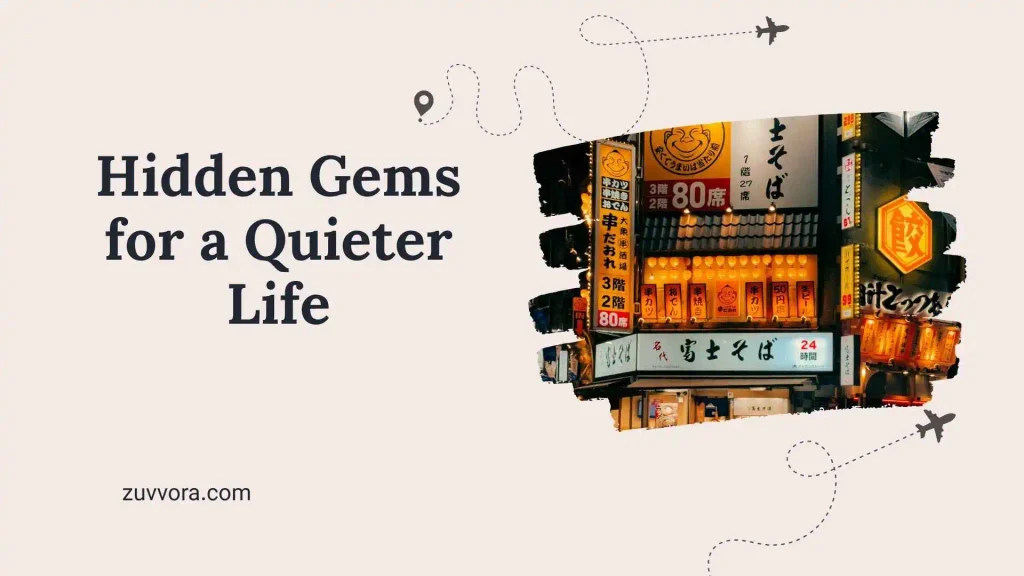
For those looking to avoid the major metropolitan hubs, these destinations offer a unique balance of community and local charm:
- Tsukuba (Ibaraki): A planned city built for science and innovation. It features wide boulevards, excellent parks, and a highly international academic population.
- Kashiwanoha (Chiba): A model for “smart city” living with cutting-edge infrastructure and a focus on wellness and environmental sustainability.
- Morioka (Iwate): Perfect for those who crave the four seasons, low costs, and a genuine, unhurried connection to the mountains and forests of Northern Japan.
How to Choose the Right Destination

Selecting where to live requires an assessment of your non-negotiables:
- Commute vs. Space: In central Tokyo, you sacrifice space for a shorter commute. In suburban cities like Kashiwanoha or Yokohama, you can afford a larger home for a longer commute.
- Language Support: Areas with large expat populations (like Minato-ku in Tokyo or Naka-ku in Yokohama) have more English-speaking doctors, clinics, and government services.
- Family Needs: If you have children, check the proximity to international schools and the availability of child-rearing support services in the local ward office.
Practical Travel Costs (Estimated Monthly)
| Category | Metropolitan (Tokyo) | Regional (Fukuoka/Sapporo) |
| Rent (1BR) | ¥90,000 – ¥150,000 | ¥40,000 – ¥70,000 |
| Food/Groceries | ¥40,000 – ¥60,000 | ¥30,000 – ¥50,000 |
| Transport | ¥10,000 – ¥15,000 | ¥7,000 – ¥10,000 |
| Utilities | ¥12,000 – ¥18,000 | ¥10,000 – ¥15,000 |
| Total | ¥152,000 – ¥243,000 | ¥87,000 – ¥145,000 |
Frequently Asked Questions
Is it difficult for foreigners to find housing in Japan?
It can be challenging due to strict rental practices. Many landlords prefer to rent to long-term residents with a Japanese guarantor. However, many agencies now specialize in “foreigner-friendly” properties that streamline the process for newcomers.
How safe is living in Japan?
Japan is consistently ranked as one of the safest countries in the world. Violent crime is extremely rare. While petty theft can occur in crowded nightlife areas, most residents feel comfortable walking alone at any time of day or night.
Do I need to speak Japanese to live there?
While you can survive in major cities with English, learning basic Japanese is essential for a high quality of life. It helps with administrative tasks, navigating the healthcare system, and forming genuine connections with your neighbors.
Is healthcare expensive?
Japan has a mandatory national health insurance system. Residents pay a monthly premium based on their income, and the insurance typically covers 70% of medical costs. This makes high-quality healthcare very affordable compared to the US.
What is the best way to travel around Japan?
The public transportation system is world-class. Most residents rely on trains and subways for commuting. For longer distances, the Shinkansen (bullet train) is efficient but can be pricey; many residents use highway buses for more budget-friendly travel.
Can I drive in Japan?
Yes, but you will need an International Driving Permit (IDP) or a Japanese driver’s license. Many city dwellers find that owning a car is unnecessary due to the excellent train network and high parking costs.
Are there many job opportunities for foreigners?
Tokyo, Osaka, and Fukuoka have the highest concentrations of jobs for foreign nationals. Teaching English is common, but there is increasing demand for bilingual professionals in tech, finance, and marketing.
What is the best season to move?
Spring (March/April) and Autumn (October/November) offer the most pleasant weather for moving and settling in. Summer can be incredibly hot and humid, making the process of moving apartments physically exhausting.
Key Takeaways
- Research First: Prioritize your lifestyle needs (career, family, budget) over popular city rankings.
- Budget Accordingly: Rent is the biggest differentiator between Tokyo and the rest of the country.
- Location Matters: Proximity to a train station is the most significant factor in both price and convenience.
- Embrace Community: Japan rewards those who actively participate in their local neighborhood life.
Conclusion
Japan offers a life of security, convenience, and unparalleled cultural richness. By understanding the unique character of cities like Tokyo, Osaka, and Fukuoka, you can find the perfect match for your personal goals. Start by visiting your top two choices, experiencing the commute, and imagining your daily routine. With thoughtful planning, your transition to living in Japan can be the start of a transformative and deeply rewarding chapter.

I am Oliver Prescott, a writer interested in language, human experiences, emotions, and the small details that make everyday life meaningful. I enjoy turning ordinary ideas into clear and engaging content. My goal is to give readers helpful information while keeping every article natural, thoughtful, and enjoyable to read.
Books:
- Words That Stay With Us
- Everyday Ideas, Deeper Meanings