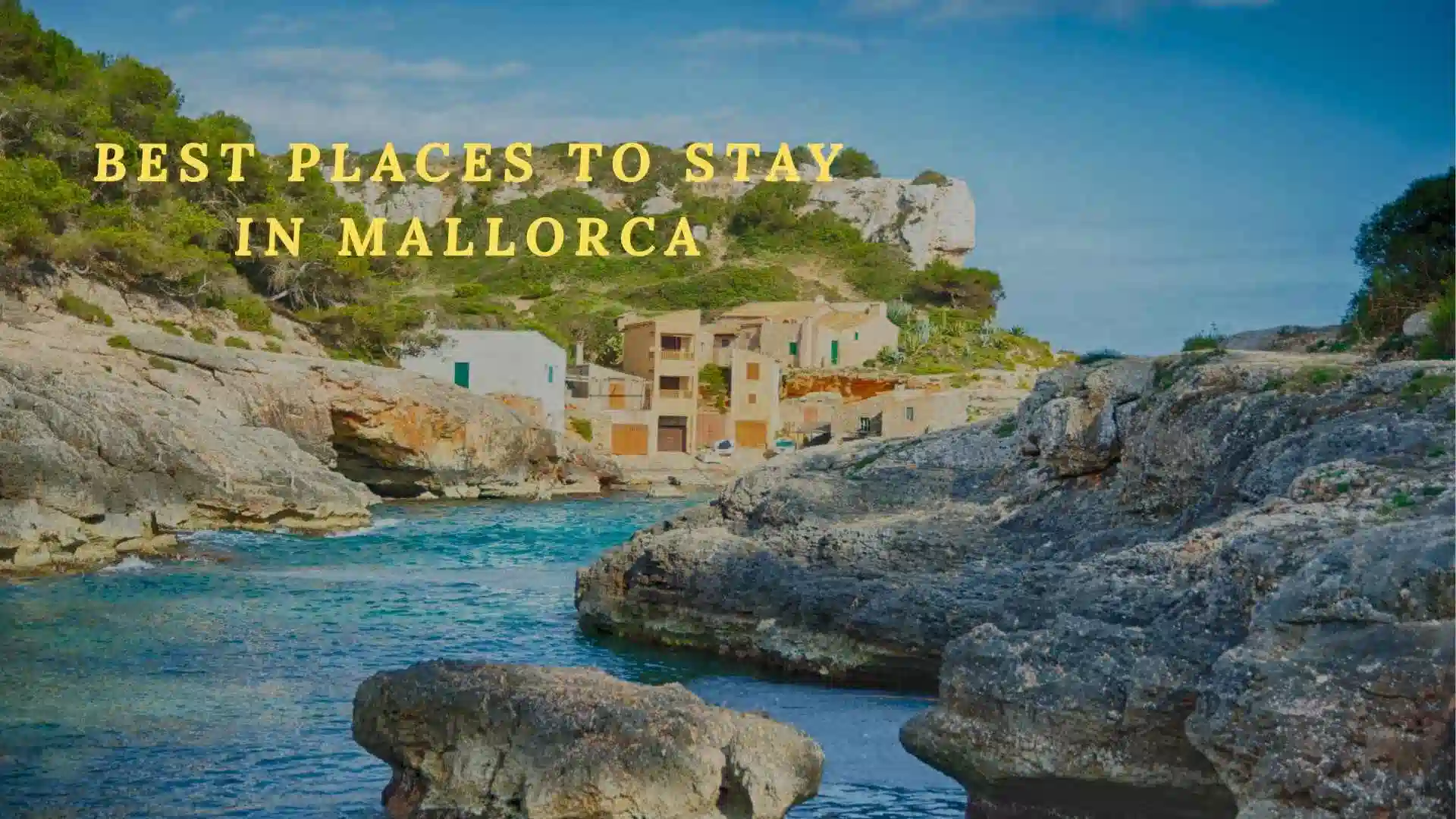
Mallorca is a Mediterranean jewel that defies easy categorization. From the rugged, UNESCO-protected peaks of the Serra de Tramuntana to the turquoise, sun-drenched coves of the southeast, the island offers a distinct personality in every corner.
If you are seeking a vibrant city escape, a tranquil mountain retreat, or a family-friendly beach holiday, finding the right base is the single most important decision for your trip.
This guide provides an expert-led analysis of the best places to stay in Mallorca, designed to match your specific travel style, budget, and expectations. We explore the island’s diverse regions, helping you navigate the choice between bustling coastal resorts, historic inland towns, and secluded rural fincas.
Quick Answer: The Best Areas to Stay in Mallorca
The best place to stay depends on your priorities:
- For City & Culture: Palma offers a vibrant culinary scene and historic architecture.
- For Families: Port de Sóller or Alcudia provide calm waters and family-oriented amenities.
- For Romantic Luxury: Deià offers unparalleled mountain-meets-sea views.
- For Beach Lovers: Santanyí is the gateway to the island’s most iconic, crystal-clear coves.
- For Hikers & Nature: Sóller serves as the perfect base for exploring the Tramuntana mountains.
Quick Comparison Table
| Place | Region | Best For | Top Attraction | Vibe | Family Friendly | Budget |
| Palma | South | Culture & Food | La Seu Cathedral | Vibrant | Moderate | Mid-High |
| Port de Sóller | Northwest | Families | Vintage Tram | Relaxed | Yes | Mid-High |
| Deià | Northwest | Couples/Luxury | Cala Deià | Exclusive | No | High |
| Santanyí | Southeast | Beaches | Caló des Moro | Charming | Moderate | Mid |
| Alcudia | North | Families | Old Town Walls | Lively | Yes | Mid |
| Pollença | North | Adventure | Cap de Formentor | Authentic | Yes | Mid |
| Artà | Northeast | Off-beat | Llevant Park | Quiet | No | Low-Mid |
Best Places to Stay in Mallorca: Top Destinations
Palma de Mallorca: The Vibrant Capital
Palma is the island’s urban heartbeat. It is perfect for those who want a blend of rich history, world-class gastronomy, and easy access to transport links. The city’s Gothic cathedral, La Seu, dominates the skyline, while the labyrinthine streets of the Old Town hold countless surprises.
- Why It’s Special: You don’t need a car. It offers a cosmopolitan atmosphere with high-end shopping and a thriving bar scene.
- Best For: City lovers, foodies, and short-stay visitors.
- Travel Tip: Spend an evening in the Santa Catalina neighborhood, once a fishing district, now the epicenter of Palma’s food scene.
Port de Sóller: The Family Haven
Tucked into a protected, horseshoe-shaped bay, Port de Sóller feels intimate and safe. Its calm, shallow waters are ideal for children, and the iconic wooden tram that connects the port to the main town of Sóller provides a nostalgic, car-free experience.
- Why It’s Special: The dramatic backdrop of the Tramuntana mountains meeting the sea.
- Best For: Families with young children and travelers seeking a walkable seaside village.
- Travel Tip: The sunset views from the restaurants along the marina are world-class.
Deià: Romantic and Sophisticated
Perched on a cliffside, Deià is widely considered one of Spain’s most beautiful villages. It has attracted artists and writers for decades, drawn by its honey-colored stone houses and steep, narrow streets. It is the epitome of Mediterranean romantic luxury.
- Why It’s Special: It feels worlds away from the busy beach resorts, offering deep tranquility and exclusive service.
- Best For: Couples, honeymooners, and luxury seekers.
- Travel Tip: Hike down the steep path to Cala Deià for a swim, followed by lunch at the legendary seaside restaurant, Ca’s Patró March.
Santanyí: The Beach Gateway
If your primary goal is to swim in the island’s most turquoise, postcard-perfect coves, the southeast around Santanyí is the place to be. It is a traditional town that manages to feel authentic while providing proximity to famous beaches like Caló des Moro and Cala Llombards.
- Why It’s Special: The Wednesday and Saturday markets in Santanyí are some of the most vibrant on the island.
- Best For: Beach lovers and those with a rental car.
- Travel Tip: Visit the beaches as early as possible—parking in peak summer fills up by 9:00 AM.
Alcudia: North Coast Charm
Alcudia balances a well-preserved historic old town with a popular, expansive beach resort area. The ancient Roman walls that encircle the town create a stunning historic backdrop for your evening strolls.
- Why It’s Special: Its geographic location makes it a prime base for exploring the northern capes and the S’Albufera Natural Park.
- Best For: Families and history enthusiasts.
- Travel Tip: Don’t skip the weekly market inside the old town walls—it’s excellent for local produce and leather goods.
Hidden Gems for the Curious Traveler
Beyond the popular hubs, Mallorca hides several treasures that reward the curious:
- Fornalutx: Often cited as the prettiest village in Spain, it sits high in the Tramuntana mountains. It is incredibly quiet, perfect for a digital detox.
- Colonia de Sant Pere: A tranquil fishing village in the northeast that has avoided the mass-resort development of other areas. It is the perfect place to watch the sun sink into the sea with a glass of local wine.
- Valldemossa: While popular, staying here overnight allows you to experience the village in the quiet morning hours after the day-trippers have left.
How to Choose the Right Destination
Choosing where to stay is about aligning the location with your travel style:
- Need to relax without a car? Stay in Palma or Port de Sóller.
- Traveling with children? Alcudia or Port de Sóller offer the most convenience.
- Seeking total silence? Look for agroturismos (rural farm stays) near Artà or the central plains of the island.
- Planning a cycling or hiking holiday? The Serra de Tramuntana region is non-negotiable.
Practical Travel Costs
Budgeting for Mallorca can vary wildly depending on your accommodation type.
| Expense Category | Daily Budget (Per Person) |
| Budget Accommodation | €60–€100 |
| Mid-Range Hotel | €150–€250 |
| Luxury Resort/Villa | €400+ |
| Dining (Mid-Range) | €50–€80 |
| Car Rental & Fuel | €30–€60 |
Note: Prices fluctuate significantly between low season (November–March) and peak season (July–August).
Best Time to Visit
- May–June: The sweet spot. Flowers are in bloom, the water is warm enough for swimming, and the summer crowds haven’t peaked.
- July–August: Extremely hot and busy. Ideal for those who love beach life but book well in advance.
- September–October: The water remains warm, and the island feels calmer and more relaxed. Excellent for hiking.
- Winter: Perfect for cyclists and those wanting to enjoy the cultural side of Palma without the throngs of tourists.
Frequently Asked Questions
Do I need a car in Mallorca?
If you want to explore the best hidden coves or mountain villages, a rental car is highly recommended. While Palma and the larger coastal resorts are well-connected by buses, the most magical parts of the island—specifically the Tramuntana mountain roads and isolated beaches—are much more accessible with your own transport.
Is Mallorca safe for solo travelers?
Yes, Mallorca is exceptionally safe. The island has a very low crime rate and a robust tourism infrastructure. Solo travelers will find the locals friendly, and the island is easy to navigate. Palma, in particular, is a great hub for solo travelers to meet others, and the well-marked hiking trails are generally safe.
Which part of Mallorca has the best beaches?
The southeast and northeast coasts are home to the island’s most beautiful “calas” (coves) with turquoise, transparent water. Areas around Santanyí (Caló des Moro, Cala Llombards) and the northern reaches near Artà (Cala Mesquida) offer some of the most stunning, natural beach experiences on the entire island.
Is Mallorca family-friendly?
Mallorca is one of the best family destinations in Europe. Many hotels are designed specifically for families, with kids’ clubs and shallow pools. The beaches in the north (Alcudia, Pollença) and northwest (Port de Sóller) are renowned for their calm, shallow, and safe waters, making them perfect for younger children to swim.
When is the best time to visit for hiking?
The shoulder months of April, May, September, and October are best for hiking in the Serra de Tramuntana. The temperatures are moderate, and the island is lush and green (in spring) or pleasantly warm (in autumn). Avoid July and August, when the heat makes strenuous outdoor activities significantly more challenging and potentially dangerous.
Can I find luxury accommodation in Mallorca?
Absolutely. Mallorca is a world-class luxury destination. Areas like Deià and the exclusive resorts in the southwest (such as Portals Nous) host some of the most prestigious boutique hotels and private villas in the Mediterranean. Many of these properties are set in restored historic estates or cliff-side locations with panoramic sea views.
What is the local food I must try?
You cannot leave without trying ensaimada, a spiral-shaped pastry that is a symbol of the island. For lunch, look for tumbet, a traditional vegetable dish similar to ratatouille. If you enjoy savory snacks, sobrassada (a spreadable, cured sausage made with paprika) is a local delicacy often served on rustic bread.
Are there areas to avoid?
“Avoid” is a strong word, but travelers seeking an authentic or tranquil Mallorcan experience may want to skip the high-density, neon-lit party strips of El Arenal and parts of Magaluf. These areas are specifically designed for intense nightlife and mass tourism, which contrast sharply with the traditional, serene spirit of the rest of the island.
Key Takeaways
- Define your trip: Choose Palma for culture, the North for families, and the Mountains for adventure.
- Transport is key: Renting a car unlocks the hidden, authentic side of the island.
- Timing matters: Visit in May or September to avoid the extreme heat and crowds of mid-summer.
- Stay local: Prioritize agroturismos or boutique town hotels to experience the true Mallorcan lifestyle.
Conclusion
Mallorca is an island of incredible variety. Whether you are walking the ancient, cobbled streets of a mountain village, diving into the pristine waters of a hidden cove, or enjoying a glass of local wine in the heart of Palma, the quality of your experience rests on where you choose to rest your head. By selecting a location that matches your specific travel desires, you transform a simple holiday into a memorable immersion in Mediterranean life. Choose your base, pack your bags, and prepare to discover why this Balearic beauty remains one of the world’s most enduringly popular destinations.
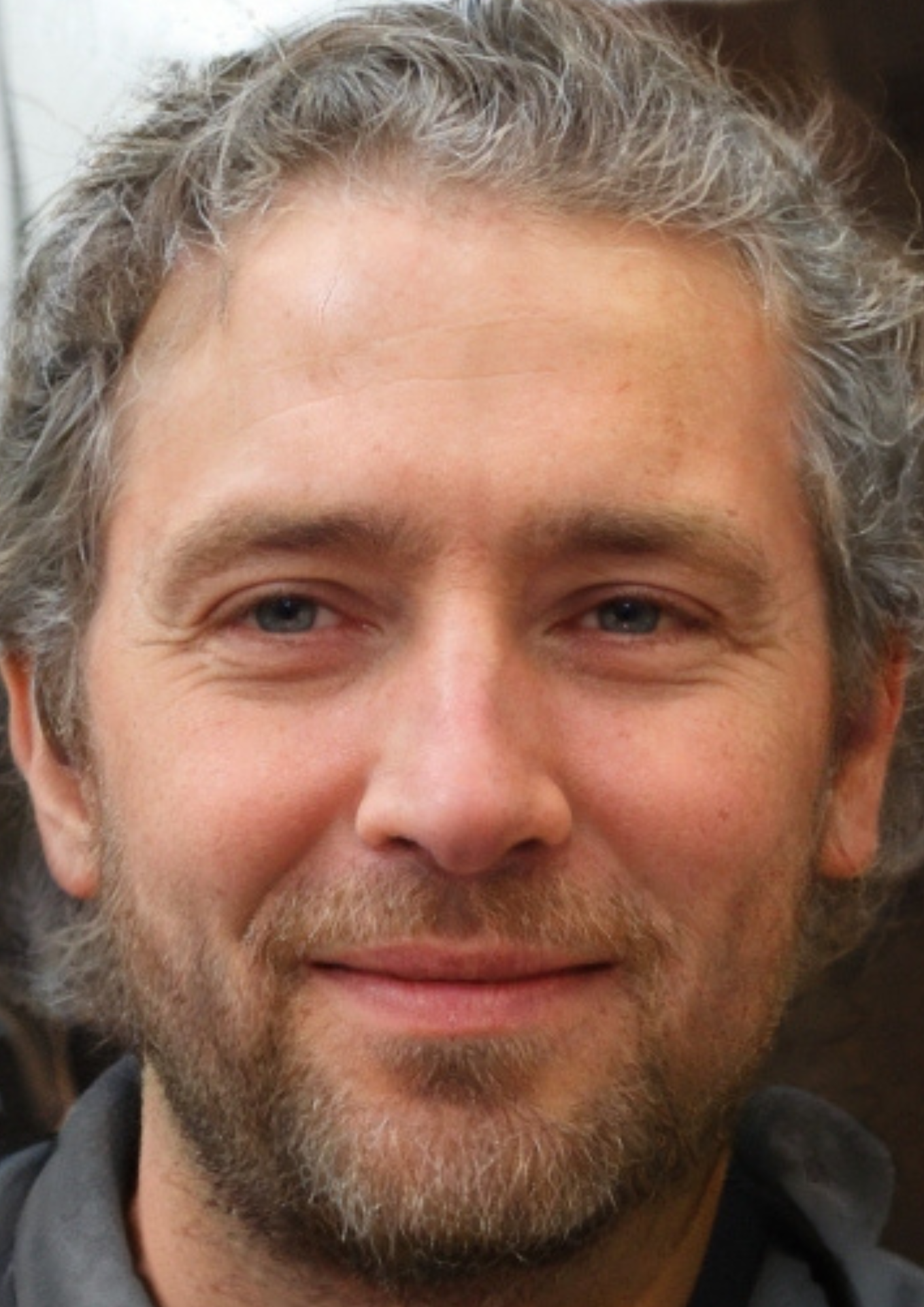
I am Theodore Langford, a writer fascinated by language, ideas, emotions, and the experiences people share in everyday life. I enjoy researching topics and presenting them in a straightforward way without making them complicated. My aim is to help readers understand new ideas while giving them something meaningful to take away.
Books:
- Beyond the Words
- Stories Hidden in Everyday Life