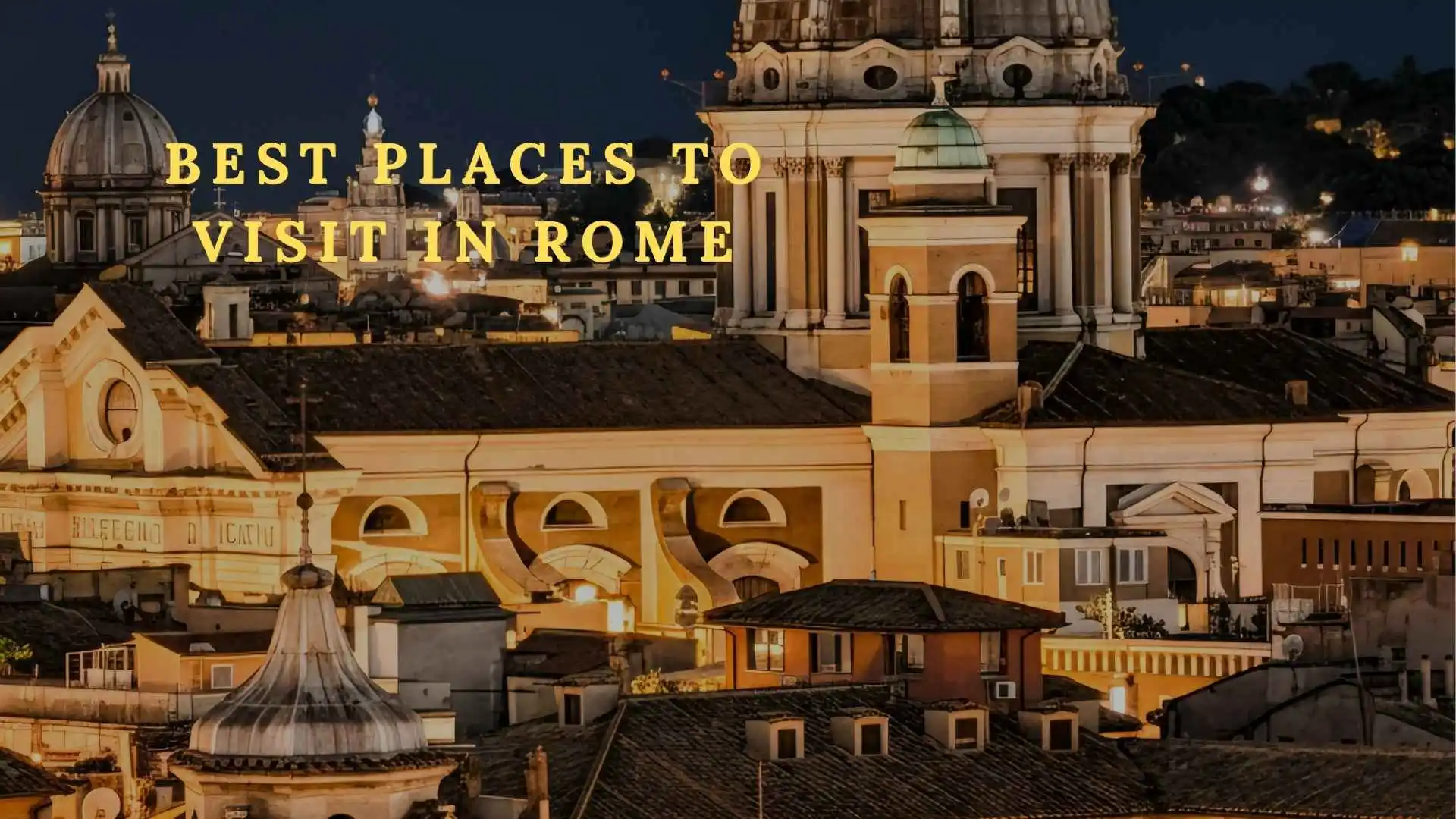
Rome is not merely a destination; it is a sprawling, living museum where three millennia of history collide with the vibrant energy of modern Italian life.
If you are seeking the awe-inspiring shadow of the Colosseum, the spiritual grandeur of the Vatican, or the simple pleasure of an authentic cacio e pepe in a sun-drenched Trastevere alleyway, the Eternal City offers an unparalleled sensory experience.
This guide is designed for first-time visitors and seasoned travelers alike, helping you navigate the layers of history, art, and culinary excellence that define the best places to visit in Rome.
Quick Answer: The Highlights of Rome
The best places to visit in Rome include the iconic Colosseum and Roman Forum for ancient history, St. Peter’s Basilica and the Vatican Museums for unparalleled art, and the Pantheon for architectural mastery. For atmosphere, explore the narrow streets of Trastevere, the fountains of Piazza Navona, and the shopping elegance of the Spanish Steps. These sites capture the essence of Roman civilization and Mediterranean culture, making them essential stops for any itinerary.
Quick Comparison of Top Roman Attractions

| Place | Location | Best For | Top Attraction | Best Time |
| Colosseum | Monti | History Buffs | Flavian Amphitheater | Early Morning |
| Vatican Museums | Vatican City | Art Lovers | Sistine Chapel | Weekdays |
| Pantheon | Centro Storico | Architecture | The Oculus | Mid-week |
| Trastevere | Trastevere | Nightlife/Food | Piazza di Santa Maria | Evening |
| Trevi Fountain | Trevi District | Romantics | The Fountain | Sunrise |
| Villa Borghese | Pinciano | Families | Borghese Gallery | Spring |
| Roman Forum | Monti | History | Arch of Titus | Morning |
Top 15 Best Places to Visit in Rome
1. The Colosseum
As the world’s largest ancient amphitheater, the Colosseum stands as the ultimate symbol of the Roman Empire. Its complex history of gladiatorial combat and public spectacles is palpable.
- Why it’s special: It represents the zenith of Roman engineering.
- Travel Tip: Book a guided tour that includes the underground hypogeum to see where gladiators prepared.
- Food to try: Grab a supplì (fried risotto ball) from a nearby street vendor.
2. The Vatican Museums & Sistine Chapel
Home to an immense collection of art amassed by the Catholic Church, the highlight remains Michelangelo’s masterful ceiling in the Sistine Chapel.
- Why it’s special: It houses some of the most significant artistic treasures in human history.
- Travel Tip: Wear modest clothing (shoulders and knees covered) to comply with Vatican entry requirements.
3. The Pantheon
The best-preserved monument from Ancient Rome, the Pantheon’s massive unreinforced concrete dome remains an architectural marvel nearly 2,000 years later.
- Why it’s special: The oculus—the opening in the center—creates a celestial light effect that is ethereal on sunny days.
4. Trevi Fountain
The largest Baroque fountain in the city, the Trevi is a masterpiece of sculpture and hydraulic engineering.
- Why it’s special: Legend says tossing a coin over your left shoulder with your right hand ensures a return to Rome.
5. Roman Forum
This was the beating heart of the Roman Empire, filled with the ruins of government buildings, temples, and bustling marketplaces.
- Why it’s special: Walking the Via Sacra allows you to walk in the footsteps of Julius Caesar.
6. Trastevere
Across the Tiber, this neighborhood retains a medieval layout with ivy-clad buildings and cobblestone streets.
- Why it’s special: It is the undisputed heart of Rome’s evening social life.
7. Piazza Navona
Built over the ruins of the Stadium of Domitian, this elongated square features Bernini’s stunning Fountain of the Four Rivers.
- Why it’s special: It captures the quintessential Baroque Roman atmosphere.
8. Villa Borghese Gardens
The “green lung” of Rome, these sprawling gardens house the Galleria Borghese, featuring works by Caravaggio and Bernini.
- Why it’s special: Perfect for a picnic or renting a rowboat on the small lake.
9. Spanish Steps
Connecting the Piazza di Spagna to the Trinità dei Monti church, these steps are a grand social stage.
- Why it’s special: It is one of the most iconic urban gathering spots in Europe.
10. Castel Sant’Angelo
Originally built as a mausoleum for Emperor Hadrian, it later served as a papal fortress and prison.
- Why it’s special: The rooftop terrace offers the most breathtaking panoramic view of the Vatican and the Tiber.
11. Campo de’ Fiori
By day, a vibrant market; by night, a bustling hub for bars and restaurants.
- Why it’s special: It is one of the few squares in Rome that lacks a church, giving it a secular, lively energy.
12. Capitoline Museums
The world’s oldest public museum, it contains a massive collection of ancient Roman statues and inscriptions.
- Why it’s special: The view from the Tabularium overlooking the Roman Forum is unmatched.
13. Appian Way (Via Appia Antica)
One of the earliest and most strategically important roads of the Roman Republic.
- Why it’s special: Rent a bicycle to explore the ancient catacombs and crumbling tombs away from the city center noise.
14. Baths of Caracalla
The ruins of this massive ancient public bath complex are so large they currently host open-air opera performances.
- Why it’s special: It provides perspective on the scale of daily life for ancient Romans.
15. The Aventine Hill & Orange Garden
For a quiet escape, visit the Giardino degli Aranci.
- Why it’s special: Peering through the “Knights of Malta Keyhole” offers a perfectly framed view of St. Peter’s Dome.
Hidden Gems for the Curious Traveler

- Coppedè District: A surreal architectural neighborhood featuring a blend of Art Nouveau, Medieval, and Baroque styles. It feels like stepping into a fairytale.
- Protestant Cemetery: A tranquil, beautiful site where poets John Keats and Percy Bysshe Shelley are buried.
- San Clemente Basilica: A “lasagna” church where you can descend through three layers of history: a 12th-century church, a 4th-century basilica, and a 1st-century Roman house.
How to Choose the Right Destination
Selecting your base in Rome depends on your travel style. History enthusiasts should stay in Monti for proximity to the ancient sites. Couples seeking romance often prefer the boutique atmosphere of Trastevere or the Centro Storico. Families might enjoy the space offered by areas near Villa Borghese. If you are on a budget, look for accommodations near Termini Station, which offers excellent connectivity via metro and bus.
Practical Travel Budget
Budgeting for Rome requires balancing site entry fees with dining choices.
| Expense Category | Budget Traveler | Mid-Range | Luxury |
| Accommodation | €80–120/night | €150–300/night | €400+/night |
| Food | €40/day | €80/day | €150+/day |
| Attractions | €10/day | €30/day | €70+/day |
| Total Daily Estimate | €130 | €260 | €620+ |
Best Time to Visit

The ideal windows for Rome are April to May and September to October. During these months, the weather is mild and pleasant. July and August are stiflingly hot and crowded, while winter (November–March) is cooler and quieter, though you must prepare for occasional rain.
Safety and Practical Tips
- Pickpocketing: Stay vigilant in crowded tourist areas like the Colosseum, Termini Station, and on the number 64 bus. Keep bags zipped and in front of you.
- Drinking Water: Use the nasoni (public drinking fountains) found throughout the city. The water is cold, free, and perfectly safe.
- Dress Code: Always keep a scarf in your bag to cover your shoulders when entering churches.
Essential Packing Checklist
- Comfortable Walking Shoes: Rome is a city of cobblestones; leave the heels at home.
- Reusable Water Bottle: To fill at the nasoni.
- Power Adapter: Type C, F, or L.
- Lightweight Scarf: For visiting religious sites.
- Sunscreen and Hat: Especially critical for summer travel.
Frequently Asked Questions
How many days are needed to see Rome properly?
Three to four days is the absolute minimum to cover the major highlights like the Colosseum, Vatican, and Pantheon. However, spending five to seven days allows for a deeper, more relaxed exploration of neighborhood markets, hidden churches, and local culinary experiences without feeling rushed.
Do I need to book attraction tickets in advance?
Yes, absolutely. For major sites like the Colosseum, the Vatican Museums, and the Galleria Borghese, booking tickets online weeks (or even months) in advance is essential to avoid massive queues and potential sell-outs. Skip-the-line tickets are worth the extra cost for these high-demand locations.
Is Rome safe for solo travelers?
Rome is generally very safe for solo travelers. Like any major European capital, you should exercise common sense, particularly at night in secluded areas. Stick to well-lit, populated streets, keep your belongings secure in tourist hubs, and trust your instincts. The city is very accustomed to solo visitors.
What is the best way to get around Rome?
The city center is best explored on foot. For longer distances, the Rome Metro (A and B lines) is efficient, and the bus network is extensive. Taxis are available, but ensure they are official white cars. Avoid driving, as Rome’s ZTL (Limited Traffic Zones) can lead to expensive fines.
Can I visit the Vatican and Colosseum in one day?
While it is technically possible, it is not recommended. Both sites are vast and require significant energy and time to appreciate. Attempting to see both in one day will likely lead to “museum fatigue” and keep you rushing through history rather than experiencing it. Better to split them over two days.
What is the tipping culture in Rome?
Tipping is not mandatory in Rome as service is often included in the bill. If you receive exceptional service at a sit-down restaurant, leaving a few euros or rounding up the bill is appreciated. You do not need to tip at coffee bars or for quick street food.
Are there many free things to do in Rome?
Yes, Rome is arguably one of the best cities for free sights. You can visit the Pantheon (check requirements), almost all public squares (Navona, Popolo, Spanish Steps), the Trevi Fountain, and hundreds of stunning churches housing priceless art—all for free. Always check local guidelines for any recent entrance fee changes.
What are the “must-try” Roman foods?
You must try the four classic pasta dishes of Rome: Carbonara (egg, pecorino, guanciale), Amatriciana (tomato, guanciale, pecorino), Cacio e Pepe (cheese and pepper), and Gricia (guanciale and pecorino). Also, look for carciofi alla giudia (Jewish-style fried artichokes) when in season.
Key Takeaways
- Prioritize Booking: Secure tickets for top sites well in advance to save time and stress.
- Walk Everywhere: The best way to find “hidden” Rome is by exploring the narrow, non-touristy side streets.
- Stay Hydrated: Use the free public nasoni fountains throughout the city.
- Respect Culture: Follow dress codes at religious sites and be mindful of local etiquette.
- Savor the Experience: Focus on quality of experience over the quantity of sites visited.
Conclusion
Rome is a city that rewards the curious and the patient. By prioritizing the must-see landmarks like the Colosseum and Vatican while leaving room to get lost in the winding streets of Trastevere, you will discover the heartbeat of the Eternal City.
Use this guide to structure your journey, but remember that the true magic of Rome is often found in an unplanned espresso at a corner bar or an unexpected view of a crumbling ruin at sunset. Your Roman adventure awaits—prepare to be captivated by history, beauty, and the unparalleled Italian zest for life.

I’m Ethan Whitmore, a passionate writer who enjoys turning useful ideas into clear, engaging, and easy-to-understand content. I focus on creating helpful articles that readers can actually use in their everyday lives. I believe good writing should feel natural, practical, and trustworthy. My books include The Thoughtful Writer’s Guide and Ideas That Connect.
Books:
- The Thoughtful Writer’s Guide
- Ideas That Connect