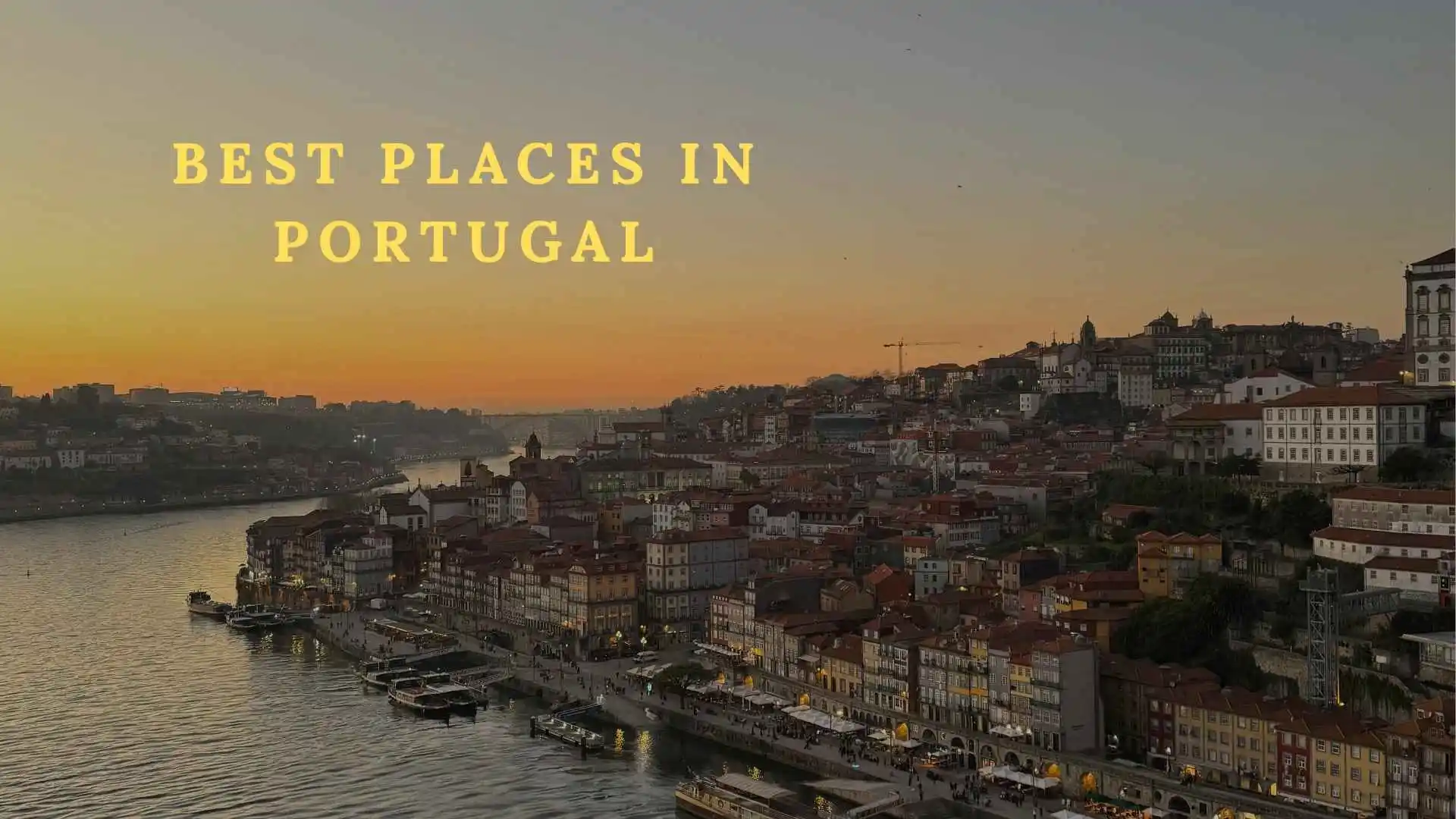
Portugal is a country where ancient history meets Atlantic charm, offering a landscape that shifts seamlessly from sun-drenched coastal cliffs and golden beaches to rolling vineyards and medieval mountain villages.
For travelers seeking a destination that balances accessibility, affordability, and deep cultural richness, Portugal stands in a league of its own.
This guide is designed for every type of explorerif if you are chasing the surf in the south, hunting for hidden gems in the interior, or indulging in the culinary delights of the north. From the bohemian streets of Lisbon to the terraced hills of the Douro Valley, here are the best places in Portugal to anchor your next adventure.
Quick Guide: Top Destinations at a Glance
Portugal’s appeal lies in its diversity. If you only have a week, focus on the Lisbon-Sintra corridor for a mix of urban culture and fairytale architecture. For those seeking relaxation, the Algarve offers pristine coastlines, while the northern regions around Porto provide an immersive dive into wine culture and granite-hewn history. Each region feels like a distinct country, defined by unique dialects, local specialties, and architectural heritage that rewards those who take the time to wander.
| Place | Region | Best For | Top Attraction | Budget | Family Friendly |
| Lisbon | Lisbon | Culture & Food | Belém Tower | Mid-Range | Yes |
| Porto | North | Wine & History | Ribeira District | Mid-Range | Yes |
| Sintra | Lisbon | Architecture | Pena Palace | Mid-Range | Yes |
| Algarve | South | Beaches | Benagil Cave | Mid/High | Yes |
| Douro Valley | North | Wine/Scenery | Wine Estates | High | No |
| Coimbra | Center | History | University | Budget | No |
| Évora | Alentejo | Ancient Ruins | Roman Temple | Budget | No |
| Azores | Islands | Nature/Hiking | Sete Cidades | High | Yes |
| Madeira | Islands | Landscapes | Levada Walks | High | Yes |
| Tavira | Algarve | Authenticity | Roman Bridge | Budget | Yes |
The Best Places to Visit in Portugal
Lisbon: The Seven-Hilled Capital
Lisbon is the heartbeat of Portugal, a city of pastel-colored buildings, iconic yellow trams, and soulful Fado music. It is a city that demands you slow down and observe.
- Why it’s special: It manages to remain historic while feeling vibrantly modern.
- Top Attractions: Alfama District, Jerónimos Monastery, Castelo de São Jorge.
- Local Food: Pastéis de nata (custard tart) and fresh grilled sardines.
- Travel Tip: Wear comfortable shoes; the limestone cobblestones are notorious for being slippery.
Porto: The City of Bridges
Nestled along the Douro River, Porto is grittier and more intimate than Lisbon. It is the birthplace of Port wine and a haven for those who appreciate architectural layers.
- Why it’s special: The dramatic riverfront and the world-class wine cellars of Vila Nova de Gaia.
- Top Attractions: Livraria Lello, Dom Luís I Bridge, Clerigos Tower.
- Local Food: Francesinha, a hearty meat-filled sandwich smothered in sauce.
- Travel Tip: Cross the bridge at sunset for the most iconic view of the city skyline.
Sintra: The Fairytale Escape
Sintra looks as if it were plucked from a storybook, with mist-covered forests and palaces painted in vibrant hues.
- Why it’s special: Its status as a UNESCO World Heritage site and the unique “Romanticist” architecture.
- Top Attractions: Pena Palace, Quinta da Regaleira, Moorish Castle.
- Travel Tip: Arrive as early as 9:00 AM to beat the massive bus tours from Lisbon.
The Algarve: Sun, Surf, and Sand
The southernmost region is home to some of Europe’s most beautiful beaches, characterized by golden sandstone cliffs.
- Why it’s special: The combination of world-class golf, surfing, and family-friendly beach resorts.
- Top Attractions: Praia da Marinha, Benagil Sea Cave, Sagres Fortress.
- Travel Tip: Rent a car to escape the main resort towns and find secret coves.
The Douro Valley: Wine Country
This is the world’s oldest demarcated wine region, featuring breathtaking terraced vineyards carved into the mountainsides.
- Why it’s special: The sheer scale of the landscape and the peaceful atmosphere of river cruises.
- Top Attractions: Quinta do Seixo, Pinhao Railway Station.
- Travel Tip: Visit during the harvest season (September) to see the region at its most active.
Hidden Gems: Beyond the Tourist Trail
If you want to escape the crowds, look toward these lesser-known locales:
- Monsanto: Known as the “most Portuguese village,” it is built entirely around and under massive granite boulders.
- Peneda-Gerês National Park: The only national park in the country, perfect for hikers, wild ponies, and ancient Roman roads.
- Vila Nova de Milfontes: A coastal gem in the Alentejo region that remains popular with locals rather than international crowds.
How to Choose Your Destination
Choosing where to go depends on your travel style. for example If you crave urban energy, stick to Lisbon and Porto. however If you want relaxation, head to the Algarve or the islands of Madeira. For history lovers buffs, Évora and Coimbra offer the most depth. Families should prioritize the coastal resorts where amenities are abundant, while solo travelers often find the hostel culture in Lisbon and Porto provides the best social environment. Always consider your transport—if you don’t plan on renting a car, stay near the train lines that connect the major hubs.
Practical Travel Costs (Daily Estimates)
| Category | Budget Traveler | Mid-Range | Luxury |
| Accommodation | $40–$70 | $100–$200 | $300+ |
| Food & Drink | $30–$45 | $60–$90 | $150+ |
| Transport | $10–$20 | $30–$50 | $100+ |
| Attractions | $10–$15 | $20–$40 | $60+ |
Note: Prices are per person, per day, based on current market trends.
Best Time to Visit
Portugal is a year-round destination, but the experience changes with the seasons.
- Spring (April–May): Ideal for sightseeing; the hills are green, and crowds are manageable.
- Summer (June–August): Peak season. Expect heat, busy beaches, and high prices.
- Autumn (September–October): The best time for wine lovers and those seeking mild weather for hiking.
- Winter (November–March): The best time for budget travelers, though northern regions will be rainy.
Safety and Practical Tips
Portugal is consistently ranked as one of the safest countries in the world. However, petty crime like pickpocketing is common in busy tourist hubs like Lisbon’s Tram 28 or central Porto. Always keep your bags in front of you. Tap water is safe throughout the country. When dining, be aware that the bread, olives, and appetizers placed on your table are not free; you will be charged for anything you eat.
Essential Packing List
- Sturdy Walking Shoes: Essential for steep, slippery cobblestones.
- Light Layers: Even in summer, coastal breezes can get chilly at night.
- Universal Adapter: Portugal uses Type F and Type C plugs.
- Reusable Water Bottle: To reduce plastic use while hiking.
- Sun Protection: The Atlantic sun is deceptively strong.
Frequently Asked Questions
Is Portugal expensive to visit?
Portugal is one of Western Europe’s most affordable countries. While prices in Lisbon and the Algarve have risen, it remains significantly cheaper than France, Italy, or the UK. You can easily manage on a mid-range budget by utilizing public transportation and dining at local “tascas” rather than tourist-centric restaurants.
Do I need a car to travel around Portugal?
It depends on where you go. Cities like Lisbon and Porto are highly walkable and well-connected by trains and trams. However, if you want to explore the Algarve, the Douro Valley, or remote mountain villages, renting a car is highly recommended for flexibility.
What is the best way to travel between cities?
The train system (CP – Comboios de Portugal) is excellent, affordable, and connects the major cities like Lisbon, Porto, Coimbra, and Faro efficiently. For rural areas, buses or a rental car are necessary.
Is English widely spoken?
Yes, in tourist areas, hotels, and restaurants, English is widely spoken and understood. However, learning a few basic Portuguese phrases like “Obrigado” (thank you) is highly appreciated by locals.
Can I drink the tap water?
Yes, tap water in Portugal is perfectly safe and of high quality across the entire country. Carrying a reusable bottle is encouraged.
What should I know about tipping?
Tipping is not mandatory in Portugal, but it is appreciated for good service. In restaurants, rounding up or leaving 5–10% of the bill is a common practice if you are pleased with the service.
Are there many crowds in the summer?
Yes, popular tourist spots like Sintra, the Algarve, and Lisbon experience significant crowds during July and August. If you prefer a quieter trip, aim for the shoulder seasons of late May or late September.
How many days should I spend in Portugal?
To get a good overview, 10–14 days is ideal. This allows you to spend 3 days in Lisbon, 3 in Porto, and the remaining time exploring the coast or the interior regions.
Key Takeaways
- Diverse Regions: Portugal offers everything from city breaks to beach holidays and mountain retreats.
- Budget-Friendly: It remains one of the best-value destinations in Western Europe.
- Transport: Trains are great for city-to-city travel, but a car is best for rural exploration.
- Culture: Focus on local food, historical architecture, and the hospitality of the people.
- Timing: Spring and Autumn are the sweet spots for weather and crowd control.
Conclusion
Portugal is a destination that captures the heart through its slow pace, spectacular landscapes, and enduring cultural spirit. if you are exploring the narrow alleys of Alfama, tasting world-class wines in the Douro Valley, or watching the sunset over the Atlantic in the Algarve, the country offers a sense of discovery that few other places can match.
By planning your trip around these top destinations, you ensure a journey that is not only visually stunning but deeply authentic. Start your adventure in the vibrant capital, move north to the historic riverfronts, and finish by the sea; in Portugal, every turn in the road promises a new and beautiful surprise.

I am Eleanor Whitmore, a writer who enjoys exploring meaningful words, everyday emotions, personal experiences, and ideas that connect with readers. I believe simple words can often express feelings that are difficult to explain. Through my writing, I aim to make every piece useful, relatable, and easy to understand.
Books:
- The Quiet Meaning of Words
- Little Thoughts, Lasting Feelings